Water damage doesn’t end when the drying equipment leaves your property. The real work of staying damage-free starts the moment restoration wraps up, and it lives in the maintenance habits you build afterward. I’ve seen too many homeowners and property managers treat a completed repair as the finish line, only to face the same pipe burst or slow leak eighteen months later.
That repeat damage costs more than the original incident ever did. Insurance carriers scrutinize second claims harder, structural materials weaken with each cycle of moisture exposure, and mold risk compounds every time drywall or subfloor gets wet again.
This guide walks through what actually keeps water damage from recurring. I cover why post-repair maintenance matters, how to inspect your property and monitor moisture long-term, the plumbing, roofing, and appliance upkeep that prevents future failures, mold prevention specific to previously affected areas, how residential and commercial prevention differ, and how to build a maintenance and emergency-response plan you can actually follow.
Why Post-Repair Maintenance Matters After Water Damage Restoration
Restoration repairs the visible damage. It does not guarantee the underlying cause won’t happen again, and that distinction matters more than most property owners realize.
Post-repair water damage prevention is the ongoing set of inspection, maintenance, and monitoring practices that protect a property after restoration work is finished. A restored wall looks and functions normally, but the plumbing joint that failed, the grading that let water pool against the foundation, or the appliance hose that cracked is often still in the exact condition that caused the first incident.
I tell every client the same thing. The restoration crew fixed the symptom. Maintenance fixes the cause.
Untreated root causes lead to what the industry calls repeat-loss properties. According to the Insurance Information Institute, water damage and freezing account for nearly 20% of all homeowners insurance claims, and properties with a prior water claim carry a meaningfully higher risk of a second one within a few years.
We build our restoration process around this reality at Mr. Damage Rescue. We don’t just dry and repair. We flag the maintenance gaps that caused the damage in the first place, because a client who calls us back for the same problem isn’t a client we’ve actually helped.
Common Causes of Repeat Water Damage in Homes and Businesses
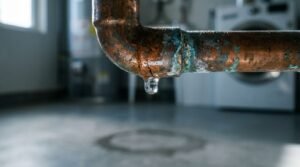
Most repeat water damage traces back to one of five recurring sources, and none of them announce themselves loudly before they fail.
Burst and failing pipes top the list, especially aging supply lines, corroded joints, and pipes exposed to freezing temperatures. Slow leaks behind walls or under flooring rank second. They go unnoticed for months because they don’t create standing water, just gradually saturated materials.
Appliance failures come third. Washing machine hoses, dishwasher supply lines, and water heater tanks degrade over years and rarely give warning before they split. Storm-related intrusion through roofs, windows, and foundation cracks makes up a fourth category, particularly in regions with seasonal severe weather.
HVAC condensate issues round out the list. Clogged condensate lines and failing pans quietly drip for weeks in mechanical rooms and attics. Each of these causes has a specific maintenance response, and I walk through every one of them in the sections ahead.
Inspecting Your Property After Restoration Is Complete
The first thirty days after restoration finishes are the highest-value inspection window you’ll get. Materials have just been replaced, and any residual moisture or installation issue will surface fastest during this period.
I recommend a full walkthrough at the two-week and thirty-day marks. Check every repaired surface for discoloration, soft spots, or unusual odor, and pay close attention to areas that were not directly part of the restoration scope but sit adjacent to it.
Signs of Hidden Moisture and Lingering Damage
A musty smell that returns after the restoration crew leaves signals moisture is still present somewhere in the structure. Warping baseboards, bubbling paint, and soft drywall are the next indicators, even in areas outside the original repair zone.
Moisture detection is the process of identifying water content in building materials before visible damage appears, typically using moisture meters, thermal imaging, or hygrometers. A moisture meter reading above 16% in wood framing signals a problem worth addressing before it becomes a second claim.
Moisture Monitoring and Humidity Control Long-Term
Indoor relative humidity above 60% creates ideal conditions for mold growth and slow material degradation, even without an active leak. This matters most in basements, crawl spaces, and bathrooms with poor ventilation.
A dehumidifier sized to the specific room, not the whole house, keeps humidity in the 30–50% range that most building materials tolerate well. Continuous humidity monitors, the kind that log data over weeks, catch spikes that a single spot-check would miss entirely.
Crawl spaces deserve particular attention. Ground moisture rises into floor joists constantly, and a vapor barrier combined with passive or mechanical ventilation stops that migration before it reaches your subfloor.
Plumbing Maintenance to Prevent Future Leaks and Pipe Failures
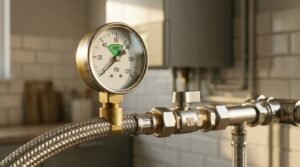
Plumbing failure causes more repeat water damage claims than any other single factor, and most of it is preventable with a maintenance routine that takes an afternoon twice a year.
Water pressure above 80 psi stresses pipe joints and fittings well beyond their intended tolerance. A simple pressure gauge on an outdoor spigot tells you where your system sits, and a pressure-reducing valve brings it back into a safe range when it runs high.
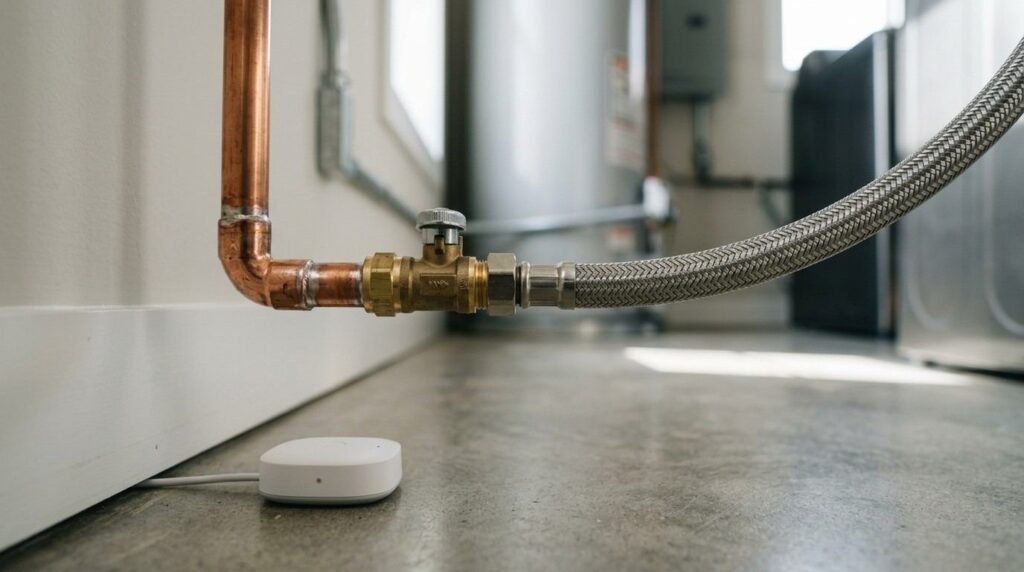
Supply line hoses on washing machines, refrigerators, and dishwashers have a service life of three to five years regardless of appearance. I replace these on a schedule, not when they show visible wear, because the failure mode for rubber hoses is sudden rupture, not gradual leaking.
Seasonal Plumbing Checks for Homeowners and Property Managers
Fall inspections should focus on exterior spigots, irrigation lines, and exposed pipes in unheated spaces before the first freeze. Spring inspections catch any damage that occurred over winter, along with checking sump pump function before the wet season arrives.
Property managers overseeing multiple units benefit from a standardized checklist applied uniformly across every property, since inconsistent maintenance is what turns a manageable issue into a portfolio-wide risk.
Roof, Gutter, and Foundation Maintenance for Water Intrusion Prevention
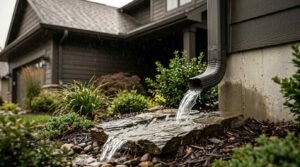
Water intrusion from above and below the structure accounts for a significant share of storm-related restoration calls, and gutter maintenance sits at the center of prevention.
Clogged gutters direct water against the foundation and fascia instead of away from the building, and this single failure point causes foundation seepage that can take years to fully manifest as interior damage. Cleaning gutters twice a year, more often near heavy tree cover, keeps water moving where it belongs.
Grading matters just as much. The ground around a foundation should slope away from the structure at roughly six inches over the first ten feet. Reverse grading, even subtle reverse grading, channels water directly toward the foundation with every rain event.
Roof inspections after major storms catch missing shingles, damaged flashing, and compromised seals around vents and chimneys before the next rain turns a small gap into an active leak.
Appliance and HVAC Maintenance to Reduce Water Damage Risk
Water heaters, HVAC systems, and major appliances are responsible for a steady share of non-storm water damage incidents, and most failures give some warning if you know where to look.
Water heater tanks develop sediment buildup over years that accelerates corrosion from the inside out. Annual flushing extends tank life and gives you visual confirmation the tank and connections remain sound.
HVAC condensate lines clog with algae and debris over time, and a clogged line backs water up into the drain pan, then overflows into surrounding ceiling or floor materials. A yearly condensate line flush with a wet/dry vacuum or a simple vinegar solution keeps this pathway clear.
Refrigerator and ice maker supply lines, often forgotten because they sit behind the appliance, should get a visual check every few months for kinks, cracks, or corrosion at the connection point.
Mold Prevention After Water Damage Repairs
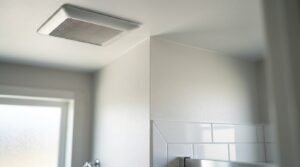
Mold is a fungal organism that reproduces through airborne spores and requires moisture, organic material, and time to establish colonies on building surfaces. Previously water-damaged areas carry elevated mold risk even after professional drying, because residual moisture can persist inside wall cavities longer than surface readings suggest.
Mold-resistant drywall and paint in bathrooms, basements, and previously affected areas reduce recurrence risk substantially compared to standard building materials. Adequate ventilation, particularly exhaust fans vented to the exterior rather than the attic, removes moisture-laden air before it settles into surfaces.
I recommend a follow-up air quality check sixty to ninety days after any restoration involving category two or three water, since that timeframe catches slow-developing colonies that immediate post-restoration testing sometimes misses.
Residential vs. Commercial Prevention Strategies
Residential and commercial properties face the same physical failure points, but the prevention approach differs in scale and formality.
Homeowners typically handle maintenance reactively, prompted by a specific concern or a seasonal reminder. Commercial properties benefit far more from scheduled maintenance contracts, since a single undetected leak in a commercial building can affect multiple tenants, inventory, and business operations simultaneously.
Facility managers overseeing commercial properties should maintain documented maintenance logs, not just informal awareness of what got checked and when. This documentation matters for insurance purposes and demonstrates due diligence if a claim does arise.
Business interruption costs from water damage frequently exceed the physical repair costs themselves. A restaurant or retail space closed for a week loses revenue that no amount of property repair reimburses, which makes preventive maintenance a financial decision as much as a property one.
Building a Water Damage Prevention Plan and Emergency Response Checklist
A written prevention plan turns scattered maintenance tasks into a system you actually follow instead of good intentions that fade after the first few months.
Start with a maintenance calendar covering the seasonal checks outlined above: plumbing in fall and spring, gutters twice yearly, water heater flushing annually, and appliance hose replacement on a fixed schedule regardless of appearance. Add a contact list with your plumber, roofer, and restoration provider, because knowing who to call before an emergency happens saves critical time during one.
Know where your main water shut-off valve is located, and confirm every household or building occupant knows it too. That single piece of knowledge limits damage more than almost any other single factor when a pipe does fail.
We walk clients through building this exact plan as part of our restoration process, because prevention is the difference between a one-time incident and a recurring problem.
Conclusion
Post-repair maintenance closes the gap that restoration alone leaves open, protecting the plumbing, structural, and moisture-control systems that caused the original damage.
Consistent inspection, seasonal upkeep, and mold prevention turn a restored property into a genuinely protected one, for homeowners and commercial operators alike.
We help property owners build maintenance plans that actually prevent repeat damage. Reach out to Mr. Damage Rescue to talk through a prevention strategy suited to your property.
Frequently Asked Questions
How soon after restoration should I schedule a follow-up inspection?
I recommend inspections at two weeks and thirty days post-restoration. This window catches residual moisture or installation issues while materials are still new and easy to address.
What humidity level prevents mold growth after water damage?
Keeping indoor relative humidity between 30% and 50% prevents most mold growth. Levels above 60% create conditions where mold establishes within 24 to 48 hours.
How often should I replace appliance supply hoses?
Replace washing machine, dishwasher, and refrigerator supply hoses every three to five years regardless of visible condition. Rubber hoses fail suddenly rather than gradually, so scheduled replacement beats waiting for visible wear.
Do commercial properties need different prevention strategies than homes?
Yes, commercial properties benefit from scheduled maintenance contracts and documented logs rather than reactive checks. A single leak can affect multiple tenants or halt operations, making formal maintenance schedules a financial necessity.
What water pressure is safe for residential plumbing?
Household water pressure should stay below 80 psi to avoid stressing pipe joints and fittings. A pressure-reducing valve brings high readings back into a safe range.
How do I know if moisture is still present after restoration?
A returning musty odor, warping baseboards, or soft drywall signal lingering moisture. A moisture meter reading above 16% in wood framing confirms a problem needs addressing.
Why does water damage recur even after professional restoration?
Restoration repairs visible damage but doesn’t always address the root cause, like an aging pipe or poor grading. Without maintenance targeting that cause, the same failure point often triggers a second incident.
What should be included in a water damage prevention plan?
A prevention plan includes a seasonal maintenance calendar, a contractor contact list, and documented shut-off valve locations known to all occupants. This turns scattered tasks into a system that actually gets followed.