Water damage comes from a source inside your property, like a burst pipe or a failed appliance. Flood damage comes from rising water outside your property, like an overflowing river or storm surge that enters your home from the ground up. That distinction sounds small. It is not.
Insurance companies treat these two events completely differently, and so does the restoration process. I’ve walked into homes where the homeowner assumed their policy covered the damage, only to find out the water came from a source their policy excluded entirely.
This guide breaks down what separates flood damage from water damage, how each one gets classified, what that means for your insurance claim, and how the restoration approach shifts depending on which one you’re actually dealing with.
What Water Damage Actually Means
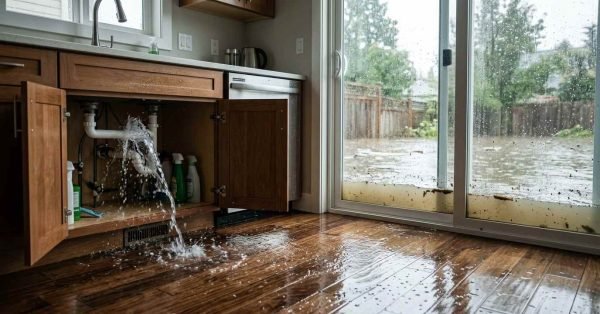
Water damage is property damage caused by water from a source inside or directly connected to a structure. A burst pipe, a failing water heater, a leaking roof, or an overflowing washing machine all fall under this category.
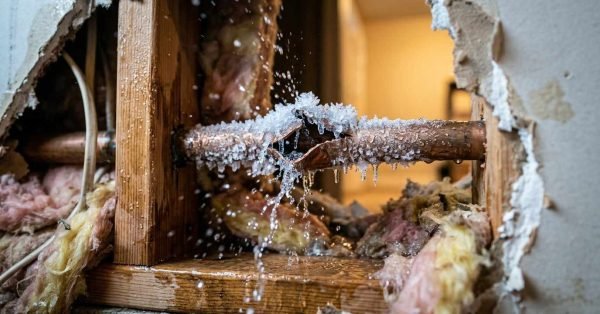
I see this constantly with older homes. A pipe behind a wall corrodes slowly, then gives out overnight, and by morning there’s standing water in the hallway.
Water damage typically comes from one isolated point. That matters because it usually means the water is cleaner, the contamination risk is lower, and the drying process is more contained.
Homeowners insurance policies generally cover water damage when it’s sudden and accidental. A pipe that bursts without warning usually qualifies. A slow leak that went ignored for months often does not, because insurers expect property owners to catch and fix ongoing issues.
What Flood Damage Actually Means (And Why Insurance Treats It Differently)
Flood damage is water damage caused by external water intrusion, typically from natural events, that affects two or more acres of normally dry land or two or more properties. Heavy rainfall, overflowing rivers, storm surge, and rapid snowmelt are common causes.
The Federal Emergency Management Agency defines a flood specifically this way for insurance purposes, and that definition is the whole reason this distinction exists. Standard homeowners insurance does not cover flood damage. It never has.
Flood coverage requires a separate policy, usually through the National Flood Insurance Program or a private flood insurer. I’ve had clients who were shocked to learn their standard policy wouldn’t pay a cent toward flood cleanup, even though water damage from a burst pipe would have been covered without question.
Flood water also carries more risk than typical water damage. It often picks up soil, sewage, chemicals, and debris on its way into a structure, which pushes it into a higher contamination category almost automatically.
Key Differences Between Flood Damage and Water Damage
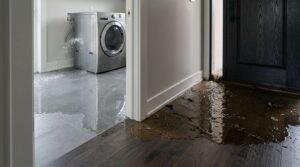
The line between these two categories comes down to three things: where the water originated, how your insurance treats it, and how contaminated it is. Each one changes the restoration approach.
Source of the Water
Water damage originates from a contained, internal source. Flood damage originates from an external, natural event that affects a broader area beyond just your property.
This is the first question any restoration technician asks on arrival. Where did this water come from, and is it still just affecting this building, or did it come in from outside because the whole block is dealing with it too?
Insurance Coverage Differences
Standard homeowners and commercial property policies cover most sudden, accidental water damage. They exclude flood damage entirely unless a separate flood policy is in place.
I always tell property owners to check their policy documents before an emergency happens, not during one. Knowing which type of coverage applies ahead of time changes how fast a claim moves and how much comes out of pocket.
Contamination Level and Health Risk
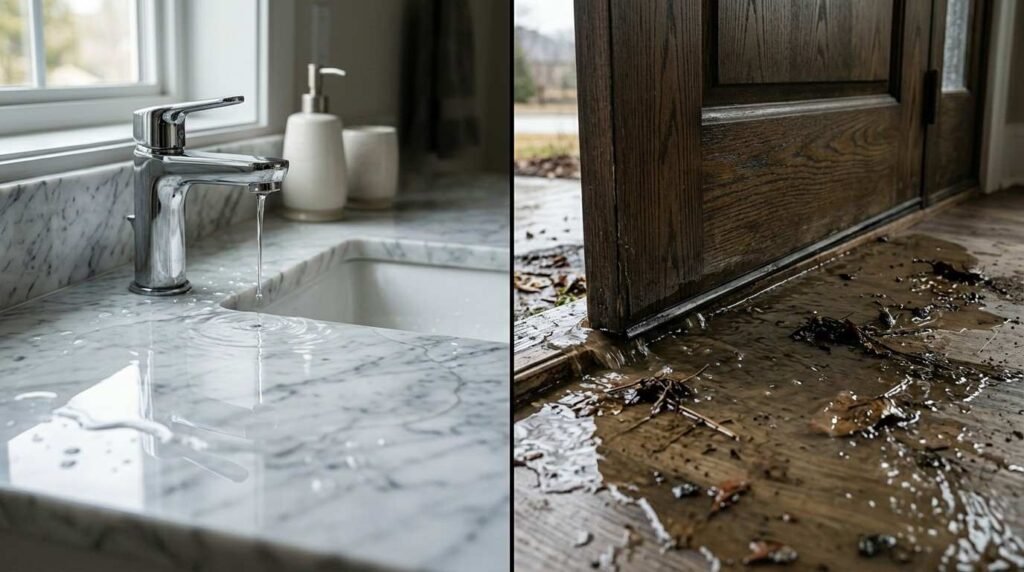
Water damage from a clean source, like a supply line, starts in the cleanest category. Flood water is almost always classified as contaminated because it travels across ground, picks up bacteria and chemicals, and often includes sewage backflow.
The Centers for Disease Control and Prevention warns that floodwater frequently contains sewage, agricultural runoff, and hazardous chemicals, which raises real health risks for anyone in direct contact with it. That single fact changes the entire restoration approach, from the protective equipment technicians wear to how aggressively materials get removed and discarded.
How Restoration Differs for Flood Damage vs. Water Damage
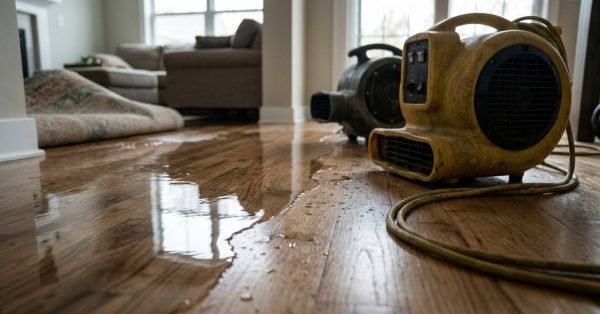
Water damage restoration usually moves faster because the source is one point, the water is cleaner, and less material needs full removal. Extraction, drying, and dehumidification often resolve the bulk of the job.
Flood damage restoration takes longer and requires more aggressive intervention. Contaminated water means porous materials like drywall, insulation, and carpet padding usually get removed rather than dried, because saving them isn’t safe.
I’ve run both types of jobs side by side in similar-sized homes. The water damage job wrapped in three or four days. The flood damage job, in a home two doors down after regional flooding, took over two weeks because of the material removal, sanitization, and rebuild involved.
Flood restoration also involves more documentation for insurance and disaster relief purposes, more antimicrobial treatment, and often a longer monitoring period to confirm no secondary mold growth develops.
How to Tell Which Type of Damage You’re Dealing With
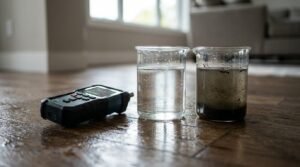
Start with the source. Water damage from a pipe, appliance, or roof leak affecting only your property points to standard water damage. Water entering from outside during a storm, affecting your neighbors too, points to flood damage.
Check the water’s appearance and smell. Clean or slightly cloudy water from an internal source usually smells neutral. Water with a strong odor, visible debris, or dark coloration suggests outside contamination.
Look at scope. A single room affected by an isolated leak reads as water damage. Multiple properties on your street affected by the same event read as flood damage, and your insurer will classify it that way regardless of how it looks inside your specific home.
A restoration technician can confirm the classification on-site using moisture meters, water testing, and visual inspection, which matters because guessing wrong delays your claim.
Why Getting the Classification Right Matters for Your Claim and Repair
Misclassifying the damage on an insurance claim causes delays, denials, and disputes. Adjusters look closely at the water source before approving any payout, and a claim filed under the wrong category gets flagged fast.
Getting it right also affects the restoration plan itself. Contaminated flood water needs different containment, different personal protective equipment, and different material disposal than a clean water damage job.
We walk every property owner through this classification step before restoration work begins, because it protects both the claim and the people living or working in that space. Skipping that step to save time almost always costs more later.
Conclusion
Water damage and flood damage share surface similarities but differ completely in source, contamination, and insurance treatment. That difference shapes every decision that follows an emergency.
Getting the classification right protects your claim, your health, and your timeline for getting back into a safe, dry space. It is not a detail worth guessing on.
We help homeowners and businesses identify which type of damage they’re facing and guide them through the right restoration and claims process from day one. Reach out to Mr. Damage Rescue for a clear assessment before you make any decisions.
Frequently Asked Questions
Is flood damage the same as water damage?
No, flood damage is a specific category of water damage caused by external, natural water intrusion affecting a broad area. Standard water damage comes from an isolated internal source like a pipe or appliance.
Does homeowners insurance cover flood damage?
Standard homeowners insurance does not cover flood damage. Flood coverage requires a separate policy through the National Flood Insurance Program or a private flood insurer.
Why is floodwater considered more dangerous than regular water damage?
Floodwater travels across the ground and often picks up sewage, chemicals, and bacteria along the way. That contamination raises health risks and changes how technicians handle cleanup and material removal.
Can one property have both water damage and flood damage at the same time?
Yes, a home can experience a burst pipe unrelated to a flood event while also taking on floodwater from an outside source. Each source gets classified and handled separately for insurance purposes.
How quickly does water damage need to be addressed compared to flood damage?
Both need immediate attention, but flood damage often requires faster action because contamination spreads bacteria and mold risk more aggressively. Water damage from a clean source still needs response within 24 to 48 hours to prevent mold growth.
Who decides whether damage is classified as flood or water damage?
Insurance adjusters make the final classification based on the water’s source, scope, and surrounding circumstances. Restoration technicians can provide on-site documentation that supports accurate classification.
Does the restoration process take longer for flood damage than water damage?
Yes, flood damage restoration typically takes longer because contaminated materials often need full removal rather than drying. Water damage restoration from a clean source usually resolves faster with extraction and dehumidification alone.