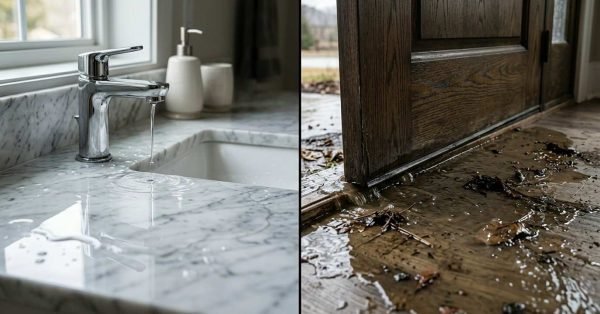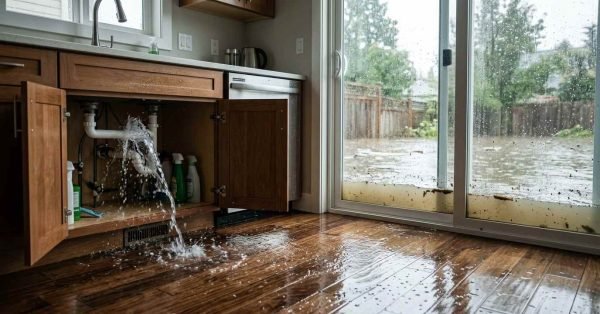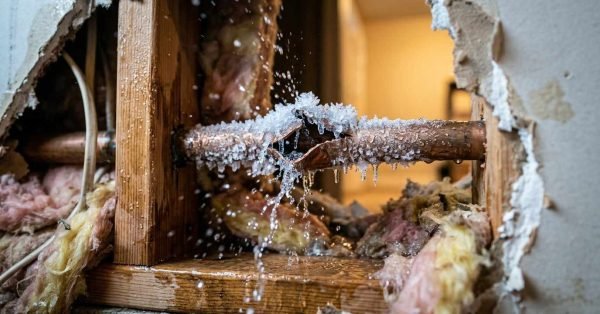
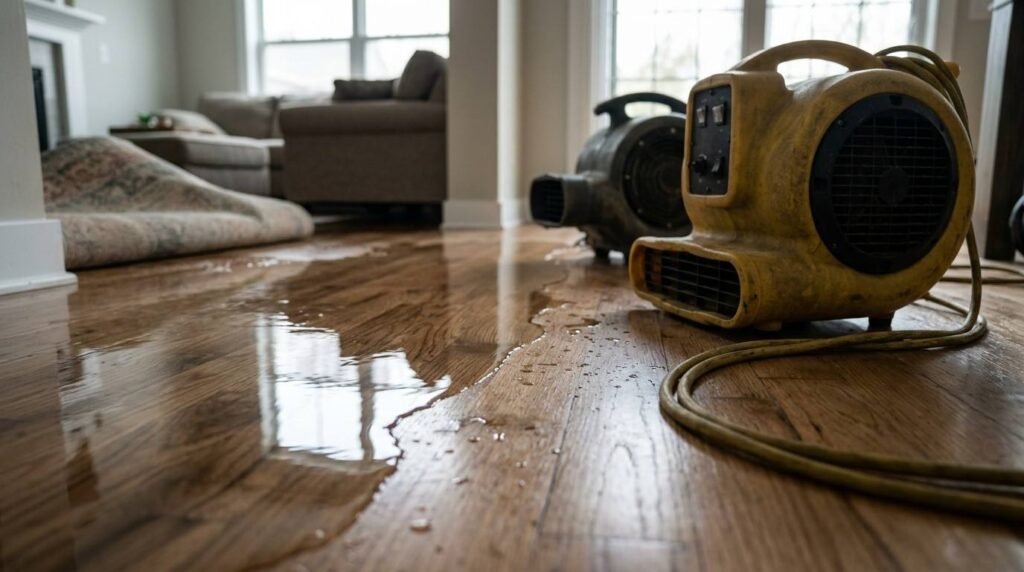
Water finds every gap in a structure within minutes, and the clock starts the second a pipe bursts or a storm breaches your roofline. The first 24 hours after water damage determines whether your property needs simple drying or a full structural rebuild. I’ve walked into homes where fast action saved the subfloor, and I’ve walked into identical homes three days later where the same water had already eaten through drywall and framing.
This window is not just about property. Standing water becomes a health hazard fast, and every hour it sits raises the risk to your family, your tenants, or your employees. Insurance companies also scrutinize how quickly you responded, and that timeline can affect your claim.
I’m covering immediate response and safety steps first, then how professionals assess and extract the water itself. From there, I get into drying, documentation, and mold prevention, and I close with how residential and commercial properties differ and when it’s time to call in help.
Why the First 24 Hours Matter Most in Water Damage
Water damage is not a static problem. It’s a moving one, and the speed of that movement is the entire reason emergency response exists as a category of service.
Water damage restoration is a structured process that removes standing water, dries affected materials, and prevents secondary damage like mold and structural decay. I think of the first 24 hours as triage. Everything that happens in that window either slows the damage down or lets it compound.
How Fast Water Damage Spreads Through a Property
Water doesn’t wait for you to find a plumber. It moves through porous materials almost immediately, and drywall starts absorbing moisture within the first hour of contact.
Wood flooring swells and warps within 24 to 48 hours of sustained exposure. I’ve seen hardwood buckle so badly it needed full replacement, when a same-day extraction would have saved it entirely.
Carpet padding is even faster to go. It typically can’t be saved past the 24-hour mark, and left alone, it becomes a breeding ground underneath a carpet that looks fine on the surface.
The Cost of Delaying Water Removal
Every day of delay multiplies the eventual repair bill. What starts as a drying job on day one turns into a demolition and reconstruction job by day four.
The Institute of Inspection, Cleaning and Restoration Certification (IICRC) sets the industry standard timelines used across the restoration trade, and those standards exist because the physics of water absorption don’t slow down for scheduling convenience. Structural components lose integrity, and finishes that were salvageable on day one often are not by day three.
Health costs climb too. Mold spores need as little as 24 to 48 hours of moisture to begin colonizing, and once that starts, remediation becomes a separate, more expensive process layered on top of water removal.
Immediate Safety Steps Before Water Removal Begins
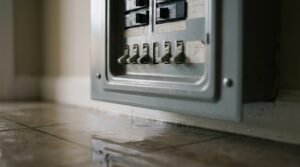
Before any equipment gets involved, safety comes first. I never recommend walking into standing water without checking a few things.
Shutting Off Electricity and Water Sources
Electricity and standing water are a lethal combination. Cut power at the breaker for any affected area before anyone steps into wet spaces, and never touch electrical panels or outlets with wet hands or while standing in water.
If the water source is a plumbing failure, shut off the main water valve immediately. This single step stops the problem from growing while you wait for help to arrive.
Identifying Hazards in Standing Water
Standing water carries risks beyond electricity. Structural instability, contaminated water, and hidden debris all hide beneath a surface that looks calm.
Floodwater and sewage backups fall into higher contamination categories and require protective equipment just to approach safely. I always tell property owners: if the water smells foul or came from an external flood source, treat it as contaminated until a professional says otherwise.
How to Stop the Water Source (Leaks, Pipes, Appliances, Storms)
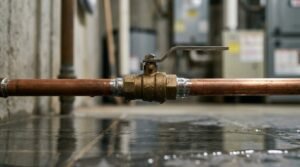
Water removal is pointless while the source keeps flowing. Stopping the source is priority one, right alongside safety.
Burst Pipes and Plumbing Failures
A burst pipe needs the main shutoff valve closed immediately, and most homes have this valve near the water meter or where the main line enters the building. Knowing this location before an emergency happens saves critical minutes.
Appliance failures: washing machines, water heaters, and dishwashers usually have a dedicated shutoff valve on the supply line feeding that specific unit. Shutting that single valve stops the leak without cutting water to the entire property.
Storm and Flood Water Intrusion
Storm-related intrusion is harder to stop at the source since it’s coming from outside. Sandbagging entry points and clearing gutters and drains reduces new water intake while extraction gets underway.
Roof leaks during active storms often can’t be fully addressed until the weather clears. Tarping and interior containment become the priority until the source itself is repaired.
Assessing the Extent of Water Damage
Once the source is controlled and the area is safe, assessment determines everything that happens next. This step shapes the entire restoration plan.
Categories of Water Damage (Clean, Gray, Black Water)
Water damage category classification is a system that grades contamination level from Category 1 clean water to Category 3 highly contaminated black water. Category 1 comes from clean sources like a supply line break. Category 2, or gray water, carries some contamination from sources like a dishwasher overflow. Category 3, black water, includes sewage backups and floodwater, and it requires the most aggressive removal and sanitization protocols.
I always confirm category classification before proceeding, because it dictates which materials get dried versus removed entirely.
Moisture Detection and Inspection Tools
Professionals use moisture meters and thermal imaging cameras to find water hidden behind walls and under flooring. These tools catch what a visual inspection misses completely.
Moisture readings taken at this stage become the baseline for tracking drying progress over the following days. Without this data point, nobody knows when a space is actually dry.
The Professional Water Extraction Process
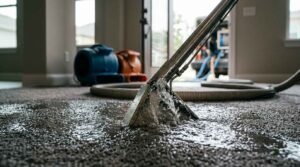
Extraction is the physical removal of standing water, and it’s usually the fastest-moving part of the entire restoration timeline.
Equipment Used for Emergency Water Removal
Truck-mounted and portable extraction units pull standing water out at high volume, far faster than any wet-vac a homeowner owns. These units handle water depths that would take hours to remove manually.
Submersible pumps handle deeper standing water, particularly in basements and flooded lower levels. Extraction crews typically deploy multiple tools simultaneously to cut total removal time.
What Happens During the First Technician Visit
A technician arrives, confirms the water category, extracts standing water, and sets initial drying equipment, usually within the same visit. I tell property owners to expect this first visit to run one to three hours depending on the scope of the damage.
Documentation happens during this visit too. Photos, moisture readings, and a written scope of work all get generated before the crew leaves.
Structural Drying and Dehumidification After Water Removal
Extraction removes visible water, but drying removes what’s absorbed into materials. This phase takes the longest and matters just as much.
How Long Drying Takes
Most structural drying takes three to five days with professional equipment running continuously. Heavier saturation or slow-drying materials like hardwood can extend that timeline further.
I never recommend shutting off drying equipment early just because a space looks dry. Materials can feel dry to the touch while still holding moisture deep inside.
Monitoring Moisture Levels During Drying
Technicians return daily to check moisture meter readings and adjust equipment placement. This monitoring confirms the drying process is actually working, not just running.
Drying is considered complete only when moisture readings match the dry standard for that specific material type. That standard, not a calendar date, determines when equipment comes out.
Protecting Belongings and Documenting Damage for Insurance
Documentation protects your claim and your ability to recover costs. This step runs in parallel with everything else happening on-site.
What to Photograph and Record
Photograph standing water, damaged materials, and affected belongings before anything gets moved or removed. Timestamped photos from multiple angles give an adjuster the clearest picture of initial damage.
Keep a written list of damaged items with approximate value and purchase date where possible. This list becomes the backbone of a personal property claim.
Working With Your Insurance Adjuster
Most policies require prompt reporting of water damage, and delays can complicate a claim. I always tell property owners to call their insurer within the first 24 hours, right alongside calling a restoration company.
A restoration company’s documentation moisture logs, photos, and scope of work typically supports the adjuster’s assessment directly. This collaboration usually speeds up claim approval.
Preventing Mold Growth in the First 24–48 Hours
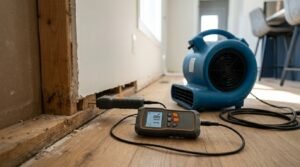
Mold prevention isn’t a separate phase. It’s built into everything happening during extraction and drying.
Why Mold Risk Increases After 24–48 Hours
Mold is a fungal organism that colonizes damp organic materials and can begin growing within 24 to 48 hours of sustained moisture exposure. The Centers for Disease Control and Prevention confirms mold growth accelerates rapidly in warm, humid conditions common after water intrusion.
Past that 24 to 48-hour window, mold prevention shifts into mold remediation, which is a different and more expensive service entirely.
Early Mold Prevention Measures
Rapid extraction and aggressive drying are the two biggest mold prevention tools available. Antimicrobial treatments applied to affected surfaces add another layer of protection during this window.
Improving airflow and controlling humidity throughout the drying period keeps conditions inhospitable for mold spores. This is why professional dehumidification matters so much in the first two days.
Residential vs. Commercial Emergency Water Removal Differences
Water moves the same way in a house and a warehouse, but the stakes and logistics differ substantially.
Unique Challenges for Business and Facility Properties
Commercial properties often involve larger square footage, specialized equipment, and sensitive inventory that complicate extraction and drying. A restaurant kitchen or a server room needs a different response plan than a living room.
Multi-tenant buildings add another layer of complexity, since water damage in one unit frequently affects neighboring spaces. Coordination with property management becomes part of the restoration scope.
Minimizing Downtime for Commercial Operations
Business owners measure water damage in lost revenue, not just repair costs. Restoration crews working commercial jobs typically prioritize getting critical operational areas dry and functional first, even while work continues elsewhere in the facility.
Phased restoration plans let parts of a business reopen while restoration continues in unaffected sections. This approach reduces total revenue loss during recovery.
When to Call a Professional Water Damage Restoration Company
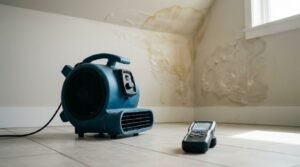
Some water damage is manageable alone. Most emergency situations are not, and knowing the difference protects your property.
Signs You Need Emergency Restoration Help
Standing water covering more than a small area, water from an unknown or contaminated source, and any water that’s been sitting more than a few hours all signal the need for professional help. Ceiling stains, sagging drywall, or musty odors point to hidden moisture beyond what’s visible.
I tell every property owner the same thing: when in doubt, call. The cost of an assessment is far lower than the cost of guessing wrong.
What to Expect When You Call {{brand}}
We dispatch technicians who assess the situation, confirm the water category, and begin extraction immediately upon arrival. We document everything as we go, so you have what you need for your insurance claim without chasing paperwork later.
Conclusion
Water damage escalates fast, and the first 24 hours shapes everything from repair cost to mold risk. Safety, source control, extraction, and drying all connect into one continuous response.
Residential and commercial properties face this timeline differently, but the urgency never changes. Acting fast protects both your structure and the people inside it.
We move quickly because those first hours matter most. Call Mr. Damage Rescue the moment water damage hits, and we’ll start protecting your property right away.
Frequently Asked Questions
How fast do I need to remove water after a flood or leak?
Water removal should start within hours, not days. Extraction within the first 24 hours prevents most structural and mold damage from ever taking hold.
Can I remove standing water myself before professionals arrive?
Removing small amounts of surface water with towels or a wet-vac is fine while waiting for help. Avoid deep water, electrical hazards, or any contaminated water source entirely.
How long does emergency water extraction take?
Initial extraction typically takes one to three hours depending on the size and depth of the affected area. Full structural drying afterward usually takes three to five additional days.
Will my insurance cover emergency water removal?
Most homeowner and commercial policies cover sudden water damage from burst pipes or appliance failures. Flood damage from external sources often requires separate flood insurance, so check your policy specifics.
What’s the difference between water extraction and water damage restoration?
Water extraction is the physical removal of standing water, while restoration is the complete process that includes extraction, drying, cleaning, sanitization, and repairs. Extraction is one phase within the larger restoration process.
How do I know if my property has hidden water damage?
Musty odors, discolored walls or ceilings, and warped flooring all signal hidden moisture. Professional moisture meters detect water behind walls and under floors that’s invisible to the eye.
Is water damage restoration different for commercial properties?
Commercial restoration often involves larger spaces, specialized equipment, and a focus on minimizing business downtime. Residential restoration typically centers on protecting the home and its occupants’ daily living space.
What happens if mold starts growing before restoration begins?
Mold growth shifts the project from water restoration into mold remediation, which is a separate and typically more expensive service. This is exactly why the first 24 to 48 hours matter so much for prevention.