I’ve walked through hundreds of water-damaged properties, and the material tells you almost everything you need to know within the first 24 to 48 hours. Drywall wicks moisture upward in a visible line. Hardwood cups and buckles before it ever shows a stain. Insulation holds water silently behind a wall for days.
Every hour a wet material sits untreated, the odds of full repair drop and the odds of mold and structural loss climb. That urgency is why property owners search for answers fast, and why guessing wrong costs thousands more than it should.
I’m covering how professionals assess the damage first, then walking through repair methods for drywall, flooring, carpet, insulation, ceilings, and framing. I’ll also get into mold prevention during repairs, how residential and commercial jobs differ, and exactly when this stops being a DIY project.
What Counts as Water-Damaged Building Materials
Not every wet material needs replacing, and not every stain means the material is ruined. The category of water and how long a material stayed wet decide almost everything about repairability.
Categories of Water Damage (Clean, Gray, Black Water)
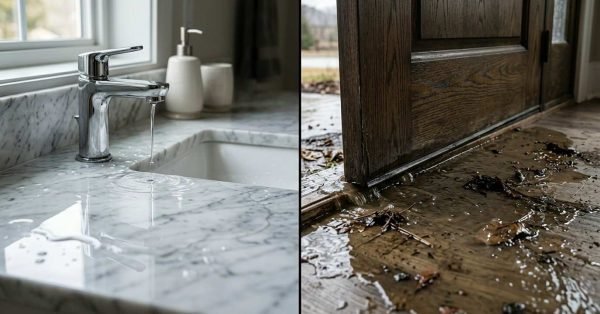
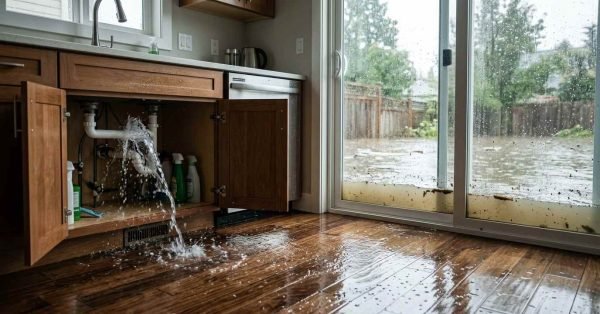
Water damage restoration is a process that classifies water intrusion into three categories based on contamination level: clean, gray, and black water. Clean water comes from supply lines or rain. Gray water carries some contaminants, like water from washing machines or dishwashers. Black water is grossly contaminated, coming from sewage backups or flooding, and it forces replacement of porous materials on contact.
I treat the category as the first decision point on every job. It tells me immediately whether drywall gets dried in place or cut out and bagged.
Signs a Material Is Compromised Beyond Saving
Warping, delamination, persistent musty odor, and visible mold growth all signal a material has passed the point of repair. Porous materials like particleboard and fiberboard absorb water fast and rarely recover their structural strength.
I check for softness with hand pressure and look for swelling at seams. A material that’s structurally sound but merely wet is worth drying. A material that’s swollen, crumbling, or smells sour usually isn’t.
How Restoration Professionals Assess Material Damage
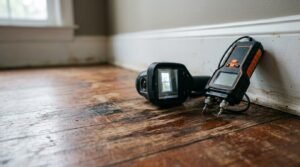
Assessment happens before any repair decision, and it relies on tools most homeowners don’t own or know how to read.
Moisture Detection Tools and Methods
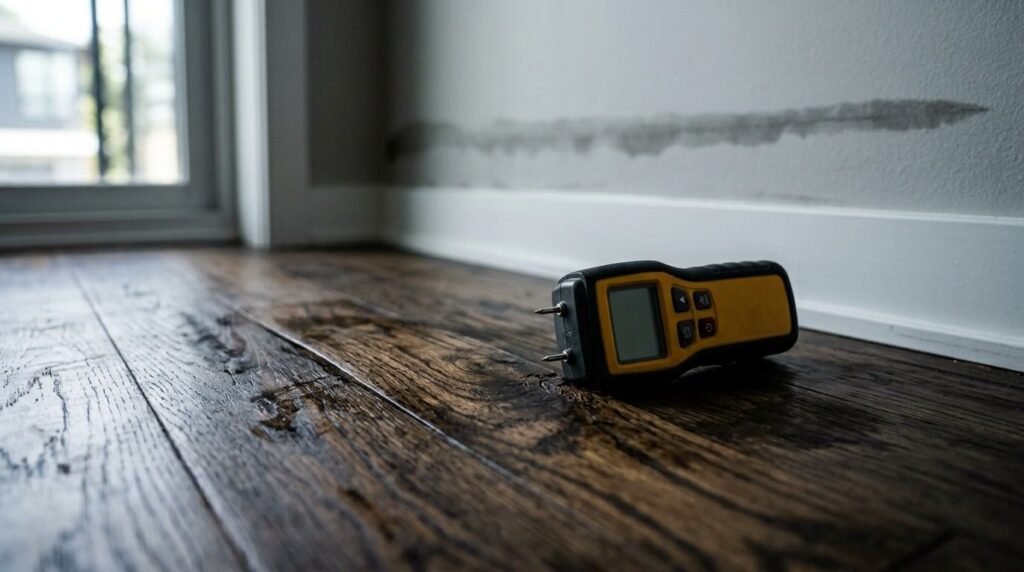
Moisture meters measure the actual water content inside a material, not just what’s visible on the surface. Thermal imaging cameras show temperature differences that reveal hidden moisture behind walls and under flooring without any demolition.
I run both together on most jobs. The thermal camera finds where to look, and the moisture meter confirms how bad it is.
Deciding What to Repair vs. Replace
The decision comes down to three factors: material type, exposure duration, and water category. Non-porous materials like solid wood trim or tile often survive intact after proper drying. Porous materials soaked for more than 48 hours in gray or black water typically get removed regardless of appearance.
I never guess on this call. A wrong decision here means mold hiding inside a wall that looks perfectly fine from the outside.
How to Repair Water-Damaged Drywall and Plaster
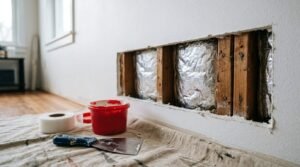
Drywall is one of the most common casualties in any water event, and it’s also one of the more forgiving materials when caught early.
Drying vs. Removing Drywall
Drywall that stayed wet for less than 24 to 48 hours in clean water often dries successfully with industrial air movers and dehumidifiers. Drywall exposed longer, or exposed to gray or black water, gets cut out in a flood cut, typically 12 to 18 inches above the visible water line.
I always cut higher than the stain shows. Wicking pulls water further up the paper backing than what’s visible to the eye.
Patching, Rebuilding, and Repainting Steps
Repair follows a sequence: remove damaged sections, treat the framing with an antimicrobial solution, install new drywall, tape and mud the seams, sand smooth, prime, and repaint. Plaster repair follows a similar logic but often requires a bonding agent before the patch coat goes on.
I let each mud coat dry fully before sanding. Rushing this step is the single biggest reason patched walls show seams later.
How to Repair Water-Damaged Wood Flooring and Subfloors
Wood flooring reacts to water faster and more visibly than almost any other building material, which actually makes it easier to diagnose early.
Solid Hardwood Drying and Refinishing
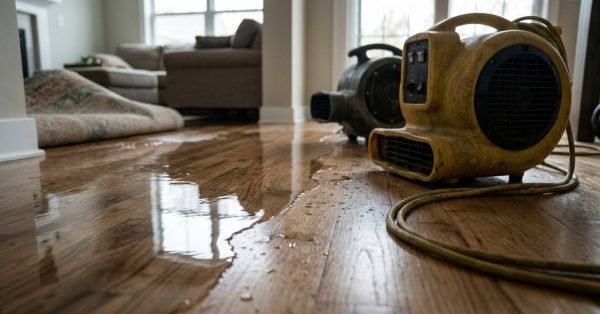
Solid hardwood that cups but hasn’t buckled can often be dried in place using specialized floor drying mats connected to a negative air system. Once moisture content returns to normal, sanding and refinishing restore the surface.
I give hardwood more drying time than drywall. Wood holds moisture in its cell structure and releases it slowly, so rushing the refinish locks trapped moisture under a new finish.
Subfloor Replacement Indicators
Soft spots, visible mold, or subfloor moisture readings that won’t drop after extended drying all point to replacement rather than repair. Plywood subfloors delaminate when saturated, losing the structural bond between layers permanently.
I test subfloor firmness by walking the full area, not just the visibly stained sections. Damage often extends beyond where the surface flooring shows a problem.
How to Repair Water-Damaged Carpet and Padding
Carpet padding almost never survives significant water exposure, even when the carpet itself does.
Padding acts like a sponge, and once saturated, it becomes a breeding ground for bacteria and mold within days. I extract water from the carpet fully, remove and dispose of the old padding, dry the subfloor completely, and install new padding before relaying the carpet. In clean water situations with fast response, carpet fibers themselves often clean and dry successfully with antimicrobial treatment.
How to Repair Water-Damaged Insulation
Insulation is the material property owners most often overlook, mainly because it’s hidden inside walls and attics.
Fiberglass batt insulation loses most of its R-value once wet and rarely regains full performance, even after drying, because water compresses the fibers. Blown-in cellulose insulation is worse. It holds water like a sponge and typically requires full replacement after any significant saturation. I remove wet insulation completely rather than attempting to dry it in place, since dried-but-compressed insulation still fails to insulate properly and can trap residual moisture against framing.
How to Repair Water-Damaged Ceilings and Structural Framing
Ceiling damage carries a higher risk profile than wall damage, mainly because gravity pulls saturated materials downward toward occupants.
Ceiling Tile and Drywall Ceiling Repairs
Sagging ceiling drywall has already absorbed enough water to lose structural integrity and needs removal, not drying. Suspended ceiling tiles are cheaper to replace outright than to dry and reinstall in most cases.
I treat any sagging ceiling as an immediate safety concern before it becomes a repair conversation. A collapsing wet ceiling is a hazard, not just a cosmetic problem.
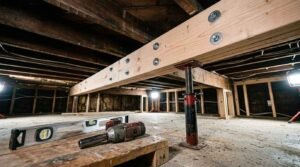
Framing and Joist Structural Repair
Wood framing and floor joists that show soft spots, discoloration, or fungal growth need a structural engineer’s evaluation before repair proceeds. Minor surface moisture on framing typically dries successfully with proper airflow, while advanced rot requires sistering new lumber alongside the compromised joist or full replacement.
I never skip the engineer step on load-bearing framing. Structural repairs done wrong create liability that outlasts the original water event by years.
How to Prevent Mold Growth During Material Repair
Mold prevention isn’t a separate phase that happens after repairs. It happens during them, or the repair fails.
Mold growth is a fungal colonization process that begins within 24 to 48 hours on wet organic materials under the right temperature and humidity conditions. Every material I dry gets treated with an EPA-registered antimicrobial before any rebuild happens, and I keep dehumidifiers running until moisture readings confirm the space is fully dry, not just visually dry.
I’ve seen jobs fail because someone rebuilt over a wall that looked dry but tested wet. That single shortcut turns a repair into a mold remediation job months later.
Residential vs. Commercial Material Repair Differences
Residential and commercial water damage repair share the same core techniques but differ sharply in scale, timeline pressure, and compliance requirements. Commercial properties often involve larger square footage, specialized flooring like raised access systems, and code requirements tied to occupancy type.
Business owners face a different kind of urgency too. Every day a commercial space stays closed costs revenue, so I prioritize sectioning off affected areas to keep the rest of the property operational during repairs. Residential jobs move at the pace of the family’s daily life, while commercial jobs often run overnight or in phases to avoid disrupting business hours entirely.
Insurance documentation also looks different on the commercial side, often requiring more detailed damage reporting for business interruption claims.
When to Call a Professional Restoration Contractor

Any water damage involving gray or black water, structural framing, or an area larger than roughly 10 square feet calls for a professional, not a DIY attempt. Hidden moisture behind walls and under flooring doesn’t show up without proper equipment, and materials that look dry on the surface can still harbor enough moisture to grow mold within days.
We handle the full scope at Mr. Damage Rescue, from initial moisture assessment through final repairs, so property owners aren’t left guessing whether a material is actually safe to rebuild over.
Conclusion
Water-damaged materials each carry their own repair timeline, from drywall’s 24-hour window to insulation’s near-total replacement rule. Getting the assessment right up front protects the structure and the people living or working inside it.
Residential and commercial properties both face the same clock, just at different scales and with different stakes attached. Catching damage early and following the right repair sequence for each material makes the difference between a full recovery and a recurring mold problem.
We handle every stage of that process at Mr. Damage Rescue, from emergency assessment through final repairs. Reach out to our team when you need a property restored safely, quickly, and with a clear plan from day one.
Frequently Asked Questions
Can water-damaged drywall be repaired instead of replaced?
Drywall dried within 24 to 48 hours in clean water often repairs successfully without full replacement. Longer exposure or contaminated water usually requires cutting out and replacing the affected section.
How long does wet wood flooring take to dry out?
Solid hardwood typically needs one to two weeks of controlled drying with specialized equipment before refinishing. Drying time depends on the wood species, subfloor type, and how long the flooring stayed saturated.
Does wet insulation need to be completely replaced?
Fiberglass and cellulose insulation both lose significant insulating value once saturated and rarely recover after drying. Removal and replacement is almost always the recommended approach.
How do I know if my subfloor needs replacing?
Soft spots underfoot, persistent moisture readings, or visible delamination all indicate the subfloor needs replacement rather than drying. A firmness check across the whole affected area reveals problems the surface flooring might hide.
What is the 24-48 hour rule in water damage restoration?
The 24-48 hour rule refers to the window before mold growth typically begins on wet organic materials at room temperature. Materials dried within this window have significantly better repair outcomes.
Can I repair water damage myself instead of hiring a contractor?
Small, clean-water areas under about 10 square feet are sometimes manageable without professional help. Anything involving gray or black water, structural framing, or larger affected areas needs professional assessment.
How does commercial water damage repair differ from residential?
Commercial repairs typically involve larger scale, code compliance requirements, and phased work scheduling to minimize business disruption. Residential repairs generally move at a pace that fits the household’s daily routine.
What happens if wet materials aren’t dried properly before rebuilding?
Rebuilding over materials that test wet, even if they look dry, traps moisture against new surfaces and creates conditions for mold growth. This often turns an original repair into a larger remediation project later.