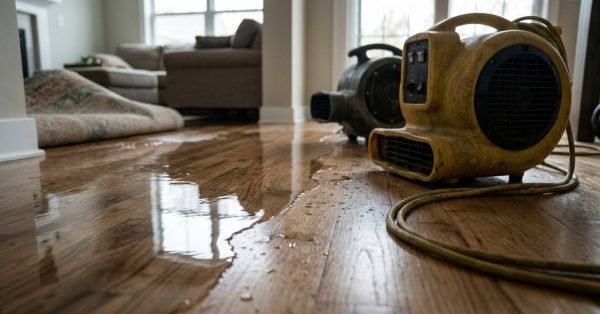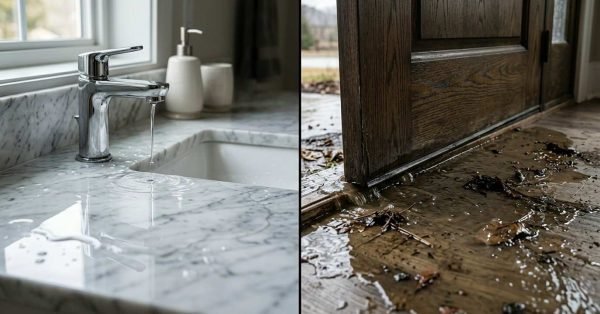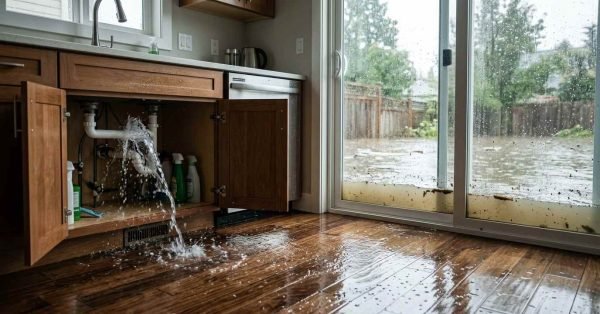
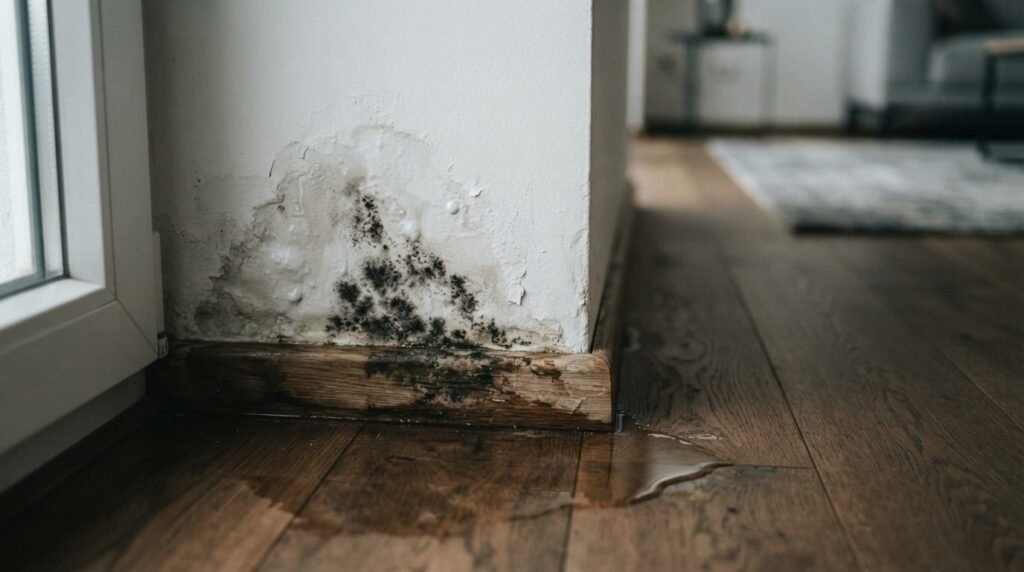
Water damage is dangerous because standing water, trapped moisture, and water-damaged materials create conditions for mold growth, bacterial contamination, electrical hazards, and structural weakening within 24 to 48 hours of exposure. I’ve walked into homes three days after a burst pipe where the family thought the worst part was over. It wasn’t. The visible water was gone, but the real danger was just getting started in the walls.
Property owners who delay restoration face compounding health and structural risks that only get worse with time. Every hour of delay adds complexity, cost, and risk to the eventual cleanup.
This guide covers what actually makes water damage hazardous to your health, how mold and bacteria develop and spread, the structural dangers hiding behind drywall, who faces the highest risk, and the warning signs that tell you it’s time to call in professional help.
What Makes Water Damage Dangerous?
Water damage becomes dangerous when it introduces contaminants, feeds mold growth, or compromises the structural and electrical systems of a property. I categorize every water loss by what’s actually in the water, because that single factor drives almost every health decision that follows.
Restoration professionals classify water intrusion into three categories: clean water, gray water, and black water. Clean water starts safe but can become contaminated the longer it sits untreated.
Clean, Gray, and Black Water Categories
Clean water comes from a supply line or rainwater and carries no immediate contamination. Gray water contains some contaminants from sources like washing machines or dishwashers. Black water includes sewage or floodwater and carries the highest risk of serious illness.
I treat every gray and black water loss as a health hazard from the first walkthrough. The category determines what protective equipment my crew wears and what gets thrown out versus saved.
Mold Growth and Respiratory Health Risks
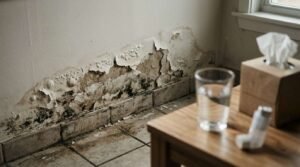
Mold exposure from water damage can trigger allergic reactions, asthma attacks, and respiratory infections, with symptoms ranging from mild irritation to serious illness in vulnerable individuals. I’ve seen homeowners blame a “cold that won’t go away” on allergies for months before realizing it was mold hiding in a bathroom wall.
How Fast Mold Develops After Water Exposure
Mold spores begin colonizing wet materials within 24 to 48 hours of water exposure, and visible mold growth can appear within three to twelve days depending on humidity and temperature. This is why I push hard for fast water extraction on every job; the clock starts the moment water touches a surface, not when someone calls us.
Symptoms of Mold-Related Illness
Mold exposure symptoms generally follow this pattern of severity:
- Mild nasal congestion and sneezing
- Persistent coughing and throat irritation
- Skin irritation or rashes on contact
- Worsening asthma or new wheezing
- Headaches and fatigue that don’t resolve
- In severe cases, fungal infections in immunocompromised individuals
I always tell clients that if symptoms improve when they leave the house and return when they’re back inside, that’s not a coincidence.
Bacteria, Sewage, and Contaminated Water Exposure
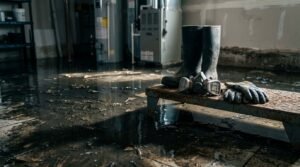
Black water exposure carries serious health risks because it can contain bacteria, viruses, and parasites capable of causing gastrointestinal illness, skin infections, and in rare cases, more severe disease. A CDC guidance document on flood cleanup notes that floodwater often contains sewage and agricultural runoff, both of which carry dangerous pathogens.
| Water Category | Common Source | Primary Health Risk |
| Clean Water | Supply line, rain | Low (becomes a risk if untreated) |
| Gray Water | Appliances, sump pump | Gastrointestinal, skin irritation |
| Black Water | Sewage, flooding | Serious bacterial/viral infection |
Common Pathogens Found in Floodwater
- coli, Salmonella, and hepatitis A are among the pathogens most commonly identified in sewage-contaminated floodwater. I never let anyone without protective gear near a black water loss, and I don’t make exceptions for “it’s just a little bit in the basement.”
Structural Dangers: Electrical and Collapse Risks
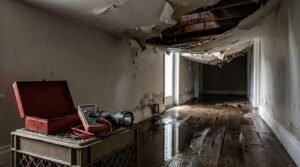
Water-damaged properties pose electrical shock and fire risks when water contacts wiring, outlets, or electrical panels, and prolonged saturation can weaken structural elements to the point of collapse. Electricity and standing water are a combination I take more seriously than almost anything else on a job site.
Electrical Hazards in Flooded Spaces
Submerged outlets, waterlogged circuit breakers, and compromised wiring create shock and fire hazards that often aren’t obvious to an untrained eye. Sagging ceilings, soft or spongy flooring, and bowing walls signal that structural materials have absorbed enough water to lose their integrity.
I shut off power to affected areas before my crew steps foot past the entryway on any significant loss. That single step prevents more injuries than any other precaution I take.
Who Is Most at Risk From Water-Damaged Properties?
Children, elderly individuals, pregnant women, and people with compromised immune systems or existing respiratory conditions face the highest health risks from water-damaged environments. Their bodies have a harder time fighting off mold spores and bacterial exposure, and symptoms tend to hit them faster and harder.
Children, Elderly, and Immunocompromised Individuals
- Infants and young children have developing lungs more sensitive to airborne mold
- Elderly individuals often have reduced immune response and existing respiratory conditions
- People undergoing chemotherapy or living with autoimmune disorders face elevated infection risk
- Pregnant women are advised to avoid prolonged exposure to mold-contaminated spaces
I always ask about household members in these categories before I even start the assessment, because it changes my timeline urgency.
How Long Does It Take for Water Damage to Become Dangerous?
Water damage typically becomes a health hazard within 24 to 48 hours, which is the window in which mold spores begin actively colonizing wet drywall, carpet, and insulation. That’s not a scare tactic; it’s biology, and it’s why restoration companies treat the first two days as the most critical.
After that window closes, the job shifts from a cleanup to a remediation project, often with higher costs and more materials that need to be removed rather than dried.
Warning Signs Your Property Has Hidden Water Damage
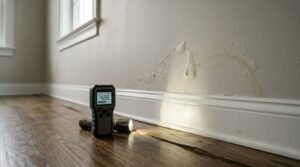
Hidden water damage typically reveals itself through musty odors, discolored walls or ceilings, peeling paint, warped flooring, and unexplained upticks in allergy or respiratory symptoms among occupants. I’ve found entire sections of saturated subfloor behind walls that looked completely untouched from the room side.
Visual, Olfactory, and Physical Warning Signs
- A persistent musty or earthy smell in one area of the property
- Yellow, brown, or copper-colored stains on walls or ceilings
- Paint or wallpaper bubbling, peeling, or cracking
- Flooring that feels soft, warped, or spongy underfoot
- Condensation or fogging on windows in rooms without obvious moisture sources
- Family members or employees reporting worsening allergy symptoms indoors
Any one of these signs on its own might mean nothing. Two or three together tell me there’s moisture trapped somewhere I need to find before it spreads further.
Health Risks Specific to Commercial Properties
Commercial properties face unique water damage health risks because larger HVAC systems can spread mold spores throughout a building, and employee or customer exposure creates liability concerns beyond the property damage itself. A single contaminated air handler can turn a localized leak into a building-wide air quality problem.
Employee and Customer Safety Considerations
- HVAC contamination can distribute mold spores to unaffected areas of a building
- Extended closures for health-related cleanup create direct business disruption
- Liability exposure increases if employees or customers report illness linked to the property
- Food service and healthcare facilities carry stricter contamination thresholds
I treat commercial losses differently from day one because the stakes around occupant safety and regulatory compliance are higher than in most homes.
Short-Term vs. Long-Term Health Effects
Short-term water damage exposure typically causes irritation, allergic reactions, and respiratory discomfort, while long-term exposure can lead to chronic respiratory conditions, persistent allergic sensitization, and in rare cases, serious fungal infections.
| Exposure Duration | Common Health Effects |
| Short-term (days) | Sneezing, coughing, skin irritation, headaches |
| Long-term (weeks to months) | Chronic asthma, sinus infections, allergic sensitization |
| Extended (untreated, months+) | Severe respiratory illness, structural failure risk |
The gap between these two columns is almost entirely a function of how quickly the water gets removed and the space gets dried.
Why Professional Restoration Reduces Health Risks
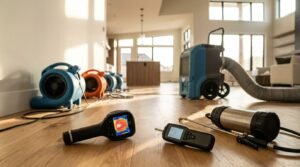
Professional restoration reduces health risks by using commercial-grade extraction equipment, industrial dehumidifiers, and moisture detection tools to remove water and dry materials before mold and bacteria can establish themselves. DIY cleanup with a shop vac and box fans almost never reaches the drying standard that actually prevents mold.
What Professionals Do Differently Than DIY Cleanup
- Moisture meters identify saturation inside walls and subfloors, not just visible water
- Industrial dehumidifiers pull ambient moisture down to levels that stop mold growth
- Antimicrobial treatments address contamination before it becomes visible mold
- Documentation supports insurance claims with photos and moisture readings
I’ve been called in after well-intentioned DIY attempts more times than I can count, usually because the homeowner dried the surface but never the structure underneath.
Protective Measures While Waiting for Restoration
While waiting for professional restoration, occupants should avoid contact with contaminated water, increase ventilation where safe, and remove unaffected valuables from the area to limit further exposure and damage.
- Avoid walking through or touching standing water, especially gray or black water
- Open windows for ventilation if weather and safety allow
- Keep children, elderly family members, and pets out of affected areas
- Remove unaffected furniture and belongings from the water’s path
- Avoid using electrical devices or outlets in or near wet areas
These steps buy time. They don’t replace fast emergency water mitigation, which is still the thing that actually stops the damage from spreading.
When to Evacuate vs. When It’s Safe to Stay
Evacuation is necessary when water damage involves sewage contamination, electrical hazards, structural instability, or when a household member has a compromised immune system or severe respiratory condition. Staying may be reasonable for small, clean-water losses with no electrical exposure and no vulnerable occupants.
- Evacuate: black water contamination, visible structural sagging, exposed wiring in wet areas
- Evacuate: a household member is pregnant, immunocompromised, or has severe asthma
- Likely safe to stay: small clean-water leak, no electrical risk, no vulnerable occupants
- When in doubt: treat it as an evacuation situation until a professional assesses the property
I’d rather a family spend one uncomfortable night at a hotel than risk a night in a home with compromised wiring.
Conclusion
Water damage threatens more than your property. Mold, bacteria, electrical hazards, and structural weakening all compound the longer water sits untreated.
Fast, professional restoration protects both your health and your building’s structural integrity, residential or commercial.
If you’re dealing with water damage right now, Mr. Damage Rescue is ready to respond, assess, and restore your property safely.
Frequently Asked Questions
Is it safe to sleep in a house with water damage?
It depends on the water category and extent of damage. Clean water losses with no electrical risk are often safe, but gray or black water contamination warrants staying elsewhere until professionals assess the property.
Can water damage make you sick?
Yes, water damage can make you sick through mold exposure, bacterial contamination, and airborne allergens. Symptoms range from mild congestion to serious respiratory or gastrointestinal illness depending on water category and exposure duration.
How quickly does mold become dangerous after water damage?
Mold can begin colonizing within 24 to 48 hours of water exposure. Visible growth and noticeable health symptoms often appear within three to twelve days if the area remains wet.
What are the symptoms of mold exposure from water damage?
Common symptoms include nasal congestion, coughing, skin irritation, headaches, and worsening asthma. Severe cases can include fungal infections, particularly in immunocompromised individuals.
Is gray water or black water more dangerous?
Black water is significantly more dangerous than gray water. It typically contains sewage or floodwater contaminants capable of causing serious bacterial or viral infection, while gray water carries moderate contamination risk.
Should I evacuate during active water damage restoration?
Evacuation is recommended for black water contamination, exposed electrical hazards, structural instability, or if vulnerable household members are present. Small clean-water losses without these risks may not require evacuation.
How do I know if water damage is affecting my health?
Watch for worsening allergy symptoms, respiratory irritation, headaches, or skin reactions that improve when you leave the property and return when you’re back inside, which often indicates mold or contamination exposure.