I get asked about IICRC certification almost every time I walk into a water-damaged home or business. IICRC certification is a professional credential issued by the Institute of Inspection, Cleaning and Restoration Certification that verifies a technician has completed standardized training in water damage restoration, drying science, and mold remediation. It matters because it separates trained professionals from contractors guessing their way through a job.
A flooded basement or a burst pipe in a commercial building does not forgive mistakes. Improper drying leads to mold, warped structures, and claims that get denied.
I want to walk you through what this certification covers, how technicians earn it, and how it protects your property. This guide covers what the credential means and who issues it, the path a technician takes to earn it, why it changes restoration outcomes for homes and businesses, and how you verify it and use it when working with your insurance company.
What IICRC Certification Actually Means
The IICRC is a nonprofit organization that sets and maintains the technical standards for the inspection, cleaning, and restoration industries. It was founded decades ago to bring consistency to an industry that had none. Before these standards existed, restoration quality varied wildly from one contractor to the next.
I think of the IICRC as the rulebook everyone in this trade should be following. It publishes the S500 Standard for water damage restoration, which covers everything from moisture mapping to drying verification.
A technician who holds an active IICRC certification has passed coursework and testing tied directly to that standard. That is not a marketing claim. It is a verifiable credential tracked in a searchable database.
Who the IICRC Is and What They Regulate
The IICRC does not just certify individuals. It also certifies firms, meaning a whole company can hold an IICRC-certified status if it maintains trained staff and follows the organization’s code of ethics.
I explain to clients that this dual layer matters. A certified firm has structure and accountability behind it, not just one trained employee who might leave next month.
The Different Types of IICRC Certifications
Restoration work covers more ground than most people realize, so the IICRC breaks certification into specific disciplines. Each one targets a different part of the recovery process.
I hold several of these myself, and each one required separate coursework. They are not interchangeable, and a technician certified in one area is not automatically qualified in another.
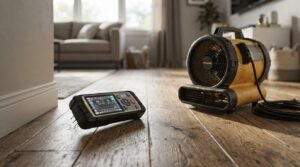
WRT, ASD, AMRT, and Other Key Designations
WRT stands for Water Restoration Technician, and it is the foundational certification most water damage professionals start with. It covers extraction methods, drying equipment, and moisture science basics.
ASD, or Applied Structural Drying, goes deeper into psychrometry and the science behind why materials dry the way they do. AMRT, Applied Microbial Remediation Technician, focuses specifically on mold assessment and safe removal practices.
There are additional designations covering carpet cleaning, odor control, and fire and smoke restoration. A well-rounded restoration company usually holds several of these across its technician team, not just one.
How a Technician Becomes IICRC Certified
Getting certified is not a weekend seminar with a participation certificate at the end. It involves structured coursework, hands-on training, and a proctored exam.
I remember sitting through my own WRT course. The material covered psychrometry, antimicrobial application, and structural material science in far more depth than I expected going in.
Training, Testing, and Continuing Education Requirements
Courses run anywhere from two to four days depending on the certification, and each ends with a written exam that a technician has to pass. Failing means retaking the course, not just the test.
Certifications also expire. The IICRC requires continuing education credits to keep a certification active, which keeps technicians current on updated standards and techniques as the science evolves.
Why IICRC Certification Matters for Water Damage Restoration

This is where certification stops being a piece of paper and starts affecting real outcomes. A certified technician follows documented protocols for moisture detection, drying, and verification that an untrained worker simply does not know exist.
Improper drying techniques are directly linked to secondary mold growth in water-damaged structures, according to the Environmental Protection Agency, which notes mold can begin growing within 24 to 48 hours of water exposure. That timeline does not leave room for guesswork.
Standards Certified Technicians Are Trained to Follow
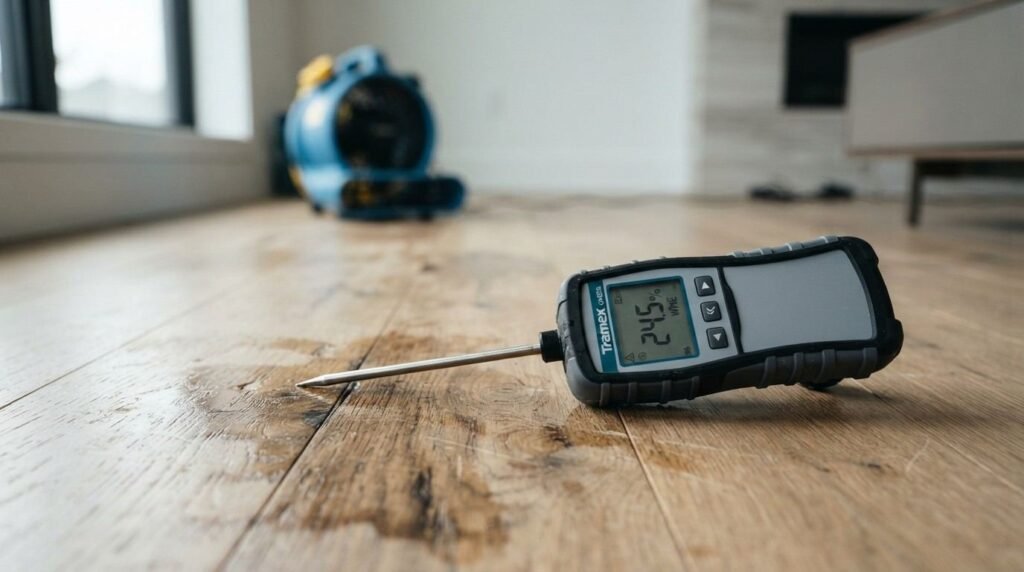
The S500 standard requires specific documentation at every stage, including moisture readings taken with meters, not visual estimates. It also dictates drying goals based on the actual materials affected, whether that is drywall, hardwood, or concrete.
I follow these benchmarks on every job because skipping them is how homes end up with hidden moisture pockets six months later. Certification means a technician was trained to actually measure success instead of assuming a room “looks dry.”
IICRC Certification vs. Non-Certified Restoration Work
An uncertified contractor can still dry out a room. What they usually cannot do is prove the job was done correctly or catch the moisture that is not visible to the naked eye.
I have walked into homes where a previous contractor pulled out wet carpet, ran a few fans, and called it finished. The subfloor underneath was still saturated.
Risks of Hiring an Uncertified Contractor
Hidden moisture becomes mold. Mold becomes a health hazard and a much bigger repair bill than the original water damage ever was.
Uncertified work also creates documentation gaps that insurance adjusters flag during claims review. Without moisture logs and drying verification, a homeowner has no proof the job met an accepted industry standard, which can complicate reimbursement.
How IICRC Standards Apply to Residential Restoration
Homeowners deal with burst pipes, appliance failures, and storm intrusion, and each scenario calls for a slightly different application of the same core standards. A certified technician adjusts equipment placement and drying targets based on the specific materials in a home.
I walk homeowners through moisture readings as I take them, because most people have never seen a drying process explained step by step before. It builds trust during a stressful situation.
What Homeowners Should Expect From Certified Techs
A certified technician documents every moisture reading, explains the equipment setup, and gives a realistic drying timeline instead of a vague estimate. They also test for hidden moisture behind walls and under flooring, not just the visibly wet areas.
Expect daily monitoring visits until moisture levels hit the target for each material type. That is a standard practice, not an upsell.
How IICRC Standards Apply to Commercial Restoration
Commercial properties bring a different set of pressures. Business interruption costs money every single day the space stays closed, and facility managers usually juggle multiple stakeholders who all want updates.
I approach commercial jobs with a much heavier documentation load, because insurance claims on commercial policies tend to face more scrutiny. Certified technicians are trained to produce that paper trail as part of the job, not as an afterthought.
Why Facility Managers Should Require Certification
A facility manager overseeing a multi-tenant building or a retail space needs restoration work that keeps the business defensible from a liability standpoint. Certified technicians follow protocols that protect occupants from air quality issues during the drying process.
Requiring certification in a vendor contract is a simple way to guarantee a baseline standard across every restoration call, regardless of which technician shows up.
How to Verify a Contractor’s IICRC Certification

Verification takes about two minutes and removes all the guesswork. The IICRC maintains a public certification lookup tool where anyone can search a company or individual name and confirm active status.
I tell every potential client to run this check before hiring anyone, including us. A legitimate restoration company will never hesitate to have their credentials verified.
Questions to Ask Before Hiring
Ask which specific certifications the technician holds, not just whether the company is “certified” in general terms. Ask how recently those certifications were renewed, since expired credentials mean lapsed continuing education.
Ask whether the technician assigned to the job is the one holding the certification, or if it belongs to someone else at the company who will not be on site.
IICRC Certification and Insurance Claims
Insurance adjusters look for specific documentation before approving a claim, and IICRC-trained technicians know exactly what that documentation needs to include. This speeds up approval and reduces the back-and-forth that drags out a claim for weeks.
I have seen claims stall for a month over missing moisture logs. A certified technician avoids that entirely by building documentation into the workflow from day one.
How Certification Affects Documentation and Approval
Adjusters recognize IICRC standard terminology and moisture benchmarks, which means less explaining and fewer requests for additional proof. Certified restoration reports typically include psychrometric readings, drying logs, and photos tied to a documented timeline.
That paper trail protects the property owner if a dispute comes up later, whether that is with the insurer or in a legal situation tied to the property.
What IICRC Certification Means for Long-Term Property Protection

Restoration is not just about getting a space dry today. It is about making sure the same problem does not resurface as mold, structural rot, or a recurring moisture issue six months down the line.
I think about long-term outcomes on every job, not just the immediate visible damage. Certified work is built around that mindset because the standards themselves are designed for lasting results, not a quick fix.
Preventing Repeat Damage and Health Risks
Untreated moisture pockets left behind by rushed or uncertified work often resurface as mold colonies that affect indoor air quality. The World Health Organization has linked prolonged mold exposure to respiratory issues, particularly in children and people with existing conditions, according to WHO guidance on indoor air quality.
Certified technicians address the root moisture source, not just the surface symptoms, which protects both the structure and the people living or working inside it.
Conclusion
IICRC certification connects trained technicians to documented industry standards for water damage restoration, drying science, and mold prevention. It separates guesswork from proven protocols that protect structures and occupants alike.
Whether you own a home or manage a commercial property, hiring certified professionals affects your outcome, your timeline, and your insurance claim. We at Mr. Damage Rescue hold these certifications because our clients deserve restoration built on verified expertise, not shortcuts.
Frequently Asked Questions
What does IICRC certification stand for?
IICRC stands for the Institute of Inspection, Cleaning and Restoration Certification. It is the organization that sets industry standards for water damage restoration and related trades.
How long does it take to become IICRC certified?
Most foundational certifications, like WRT, take two to four days of coursework followed by a proctored exam. Advanced certifications can require additional training modules.
Does IICRC certification expire?
Yes, IICRC certifications require continuing education credits to remain active. Technicians must renew periodically to keep their credentials current with updated standards.
Can I verify a contractor’s IICRC certification myself?
Yes, the IICRC maintains a public online lookup tool where you can search any individual or company by name. This confirms active certification status in under two minutes.
Is IICRC certification required by law?
No, IICRC certification is an industry standard, not a legal requirement in most areas. It is voluntary, but it signals a contractor has met recognized training benchmarks.
What is the difference between WRT and ASD certification?
WRT covers foundational water restoration skills like extraction and basic drying. ASD goes deeper into structural drying science, including advanced psychrometry and complex drying scenarios.
Why do insurance companies prefer certified restoration companies?
Certified technicians document moisture readings and drying benchmarks that match recognized industry standards. This documentation speeds up claim approval and reduces disputes.
Does certification cover mold remediation too?
Yes, the AMRT certification specifically trains technicians in microbial remediation, including mold assessment and safe removal procedures.