Water damage does not wait for business hours, and neither should your search for help. The right water damage restoration company has IICRC certification, 24/7 emergency response, direct insurance billing, and a documented drying process. I have walked enough property owners through this decision to know the difference between a company that protects your investment and one that leaves you with mold, disputes, and a bigger bill than you expected.
Water sitting in a wall cavity for 48 hours creates conditions for mold growth. That timeline does not care about your work schedule or how overwhelmed you feel standing in a flooded basement. A wrong hire compounds the damage instead of stopping it.
I built this guide around what actually separates a dependable restoration company from a risky one. I walk through how to recognize when you need a pro in the first place, how to verify credentials and service scope, what response time and equipment standards actually look like, and how to vet a company through the right questions, red flags, and reviews before you sign anything.
Signs You Need Professional Water Damage Restoration
Not every wet spot needs a restoration crew. A small spill you catch and dry within an hour rarely causes structural harm. Water damage restoration becomes necessary when water has contacted structural materials, electrical systems, or has been present for more than a few hours.
I tell property owners to trust their nose as much as their eyes. A musty smell within 24-48 hours of a water event signals moisture trapped somewhere you cannot see.
Common Causes of Water Damage
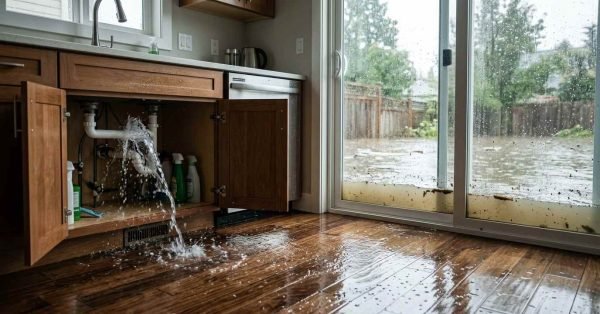
Burst pipes, appliance failures, roof leaks, and storm intrusion account for most residential calls I see. Commercial properties add sprinkler malfunctions and HVAC condensation issues to that list.
Each cause behaves differently. A slow roof leak soaks insulation over weeks, while a burst pipe dumps hundreds of gallons in minutes and demands an entirely different urgency level.
Why DIY Cleanup Falls Short
A wet vac and box fans handle surface water fine. They do nothing for moisture trapped inside drywall, subflooring, or wall cavities, which is exactly where mold takes hold.
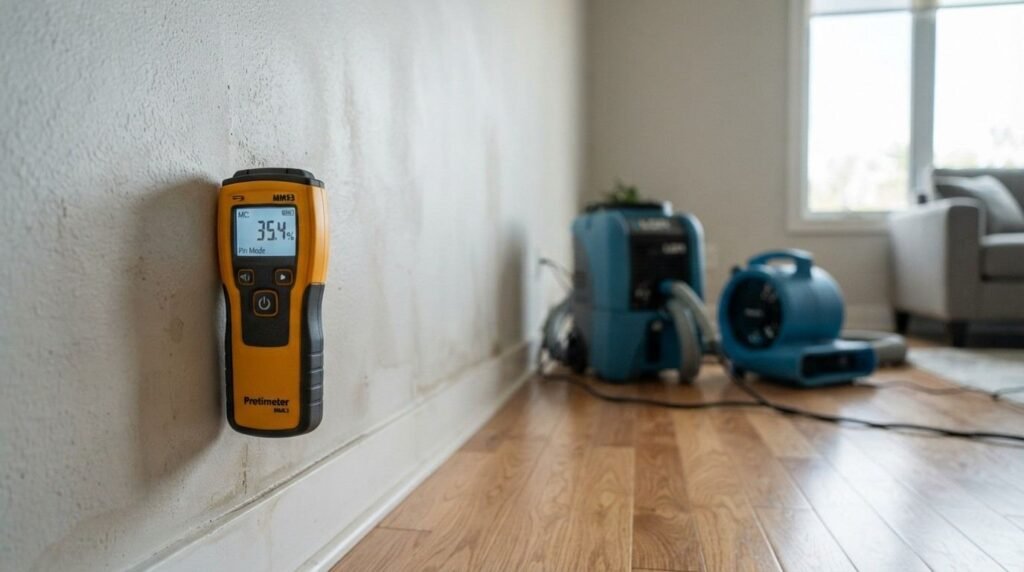
Professional restoration uses moisture meters and thermal imaging to find water you cannot see. Water is considered a category 2 or “gray water” hazard once it has been standing for more than 48 hours, according to EPA guidance on mold prevention, and that classification changes the entire cleanup protocol.
Licenses, Certifications, and Credentials to Verify
Credentials separate a legitimate restoration company from someone with a truck and a shop vac. I never recommend hiring a company without confirming these first.
A restoration certification is a formal credential that verifies a technician has completed standardized training in water damage mitigation and drying protocols. This single document tells you more about competence than any sales pitch will.

IICRC Certification Explained
The Institute of Inspection, Cleaning and Restoration Certification, known as IICRC, sets the industry standard for water damage restoration training. I always ask to see this certification directly, not just hear it mentioned.
Technicians certified under the IICRC S500 standard follow documented procedures for water extraction, drying, and antimicrobial application. That standard exists because inconsistent drying is the single biggest cause of secondary mold growth after a water event.
State Licensing and Insurance Requirements
Most states require restoration companies to carry general liability insurance and, in many cases, a contractor’s license for repair work. I ask for proof of both before any equipment enters the property.
A company without liability coverage puts you at financial risk if their equipment damages your property further. This is not a detail to skip past.
Response Time and Emergency Availability
Response time determines how much damage spreads before mitigation even starts. A qualified restoration company answers calls 24 hours a day, seven days a week, and arrives on-site within one to four hours of that call.
I have seen companies advertise emergency service and then take a full day to show up. That gap costs property owners thousands in avoidable secondary damage.
Why the First 24-48 Hours Matter
Materials that stay wet past two days develop conditions favorable for mold colonization. Indoor mold growth typically begins within 24 to 48 hours of sustained water exposure, according to the CDC’s guidance on mold after a disaster.
Fast extraction and drying inside that window prevents the need for demolition later. Every hour of delay adds cost and expands the scope of repair.
Scope of Services Offered
A full-service restoration company handles the entire recovery timeline, not just one piece of it. I look for companies that manage assessment through final repairs under one roof.
Fragmented service, where one company extracts water and a separate contractor handles drywall repair, creates accountability gaps. Nobody owns the outcome when something goes wrong between handoffs.
Water Extraction and Structural Drying
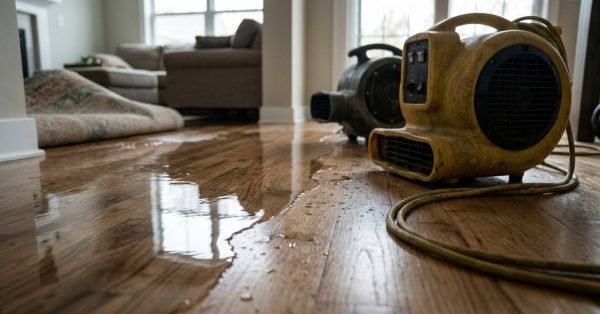
Extraction removes standing water using submersible pumps and industrial wet vacuums. Structural drying follows immediately, using air movers and dehumidifiers positioned according to moisture readings, not guesswork.
A company should document moisture levels daily throughout the drying process. That log becomes your proof the property reached a safe, dry standard before work concluded.
Mold Prevention, Cleaning, and Repairs
Once materials are dry, technicians apply antimicrobial treatments to prevent mold colonization on studs, subfloors, and other porous surfaces. Damaged drywall, insulation, and flooring get removed and replaced at this stage.
I want a company that treats repairs as part of the restoration, not a separate upsell. Consistency across the whole timeline protects the quality of the final result.
Equipment and Technology Standards
Equipment quality tells you a lot about how seriously a company takes drying accuracy. Commercial-grade air movers, low-grain refrigerant dehumidifiers, and infrared cameras are baseline tools, not premium add-ons.
I always ask what moisture detection equipment a company uses before hiring. A company relying only on visual inspection is guessing, and guessing leads to hidden mold months later.
Experience with Residential vs Commercial Properties

Residential and commercial restoration share a foundation but diverge sharply in execution. A flooded single-family home involves one household and a fairly contained footprint.
A flooded commercial facility involves business continuity, multiple stakeholders, and often specialized equipment like server rooms or industrial machinery. Commercial restoration typically requires a documented recovery plan, phased work scheduling around business hours, and coordination with facility managers or multiple tenants.
I ask any prospective contractor directly how many commercial jobs they have completed in the past year. A company that mainly handles small residential leaks may not have the crew size or equipment inventory a commercial loss demands.
Insurance Claims Assistance and Billing Transparency
Insurance complexity is where property owners get burned most often. A trustworthy restoration company documents damage thoroughly with photos, moisture logs, and itemized estimates that match your carrier’s expectations.
I look for companies willing to speak directly with your adjuster. That communication saves weeks of back-and-forth and prevents claim denials over missing documentation.
Direct Insurance Billing vs Reimbursement
Some companies bill your insurance carrier directly, so you pay only your deductible upfront. Others require you to pay in full and seek reimbursement yourself, which strains cash flow during an already stressful event.
I always confirm this arrangement before work begins, in writing. A verbal promise about billing means nothing once the invoice arrives.
Questions to Ask Before Hiring a Restoration Company
The right questions expose gaps a sales pitch will never mention. I recommend asking about certification, insurance coverage, average response time, and whether the same crew handles the entire job start to finish.
Ask for a written scope of work before any equipment gets placed. A vague verbal estimate leaves too much room for cost surprises later.
Red Flags and Warning Signs of Unreliable Contractors
Door-to-door solicitation right after a storm is one of the clearest warning signs in this industry. Legitimate companies rarely need to canvas neighborhoods for work.
Pressure to sign a contract before an inspection is complete signals a company more interested in the sale than the outcome. A trustworthy contractor documents damage and moisture readings before presenting any pricing.
Refusal to provide proof of licensing or insurance ends the conversation for me every time. That refusal alone tells you everything about how the rest of the job will go.
Reviews, References, and Reputation Verification
Online reviews reveal patterns a sales call never will. I look for consistency across multiple platforms, not just a handful of five-star reviews on the company’s own website.
Ask for two or three references from jobs completed in the last six months. A company confident in its work has no hesitation providing them.
Conclusion
Hiring the right water damage restoration company protects your property, your health, and your finances from compounding damage. Credentials, response time, and transparent billing separate reliable contractors from risky ones.
Water damage restoration is not a decision to rush blindly, but it is one that punishes delay. The right partner moves fast while still doing the job correctly.
We built Mr. Damage Rescue around exactly the standards outlined here: certified technicians, fast response, and transparent communication. Reach out to us today and let us restore your property with the confidence you deserve.
Frequently Asked Questions
How much does water damage restoration typically cost?
Costs range from a few hundred dollars for minor water extraction to tens of thousands for major structural repairs. Insurance often covers restoration when the damage results from a sudden, accidental event.
How long does the water damage restoration process take?
Most residential jobs take three to five days for extraction and drying, with repairs adding additional time. Commercial jobs vary widely based on facility size and damage extent.
Do I need to leave my home during restoration?
Minor water damage rarely requires leaving your home during the drying process. Extensive mold contamination or structural repairs sometimes require temporary relocation for safety.
Will my homeowners insurance cover water damage restoration?
Insurance typically covers sudden and accidental water damage, like a burst pipe, but excludes damage from long-term neglect or flooding without separate flood coverage. I recommend confirming your specific policy details with your carrier before the claim process begins.
Can I stay in a commercial building during restoration work?
Occupancy during commercial restoration depends on the extent of damage and which areas of the facility are affected. A well-organized restoration company phases work to minimize business disruption wherever possible.
What is the difference between water damage restoration and mold remediation?
Water damage restoration addresses extraction, drying, and repairs after a water event, while mold remediation specifically removes existing mold contamination. Prompt restoration after water damage often prevents the need for separate mold remediation entirely.
How do I know if my water damage is category 1, 2, or 3?
Category 1 is clean water from a source like a supply line, category 2 is gray water from appliances, and category 3 is contaminated water from sewage or flooding. A restoration technician determines the category on-site using inspection and testing.