Water damage never behaves the same way twice, depending on where it hits. A kitchen leak spreads under cabinets and flooring within hours, while a flooded basement can saturate framing and insulation for days before anyone notices. I’ve walked into homes where a slow bathroom leak did more structural harm than a burst supply line in the kitchen, simply because nobody caught it early.
That difference matters because every room in your home reacts to water differently, and treating them all the same way costs you time, money, and sometimes your health. Mold takes hold within 24 to 48 hours in the wrong conditions, and materials like drywall, subfloor, and cabinetry each fail on their own timeline. Getting the response wrong in one room can quietly undo the work done in another.
I’m going to walk you through how restoration works room by room, starting with what makes each space unique, then moving into the full step-by-step process, then breaking down kitchens, bathrooms, basements, and other living spaces individually. From there, I cover how materials and costs shift by room, how residential and commercial jobs differ, and when it’s time to call in a professional instead of handling it yourself.
How Water Damage Affects Different Rooms Differently
Every room in a property holds a different mix of materials, moisture exposure, and structural risk. Water damage is property harm caused by unwanted moisture intrusion that varies in severity based on the materials present, the water source, and how long the area stays wet. A kitchen deals with cabinetry, appliances, and subfloor. A basement deals with concrete, framing, and often groundwater pressure from below rather than just above.
I look at three things first in any room: what materials are present, how porous they are, and how long water has been sitting. Drywall wicks moisture upward fast. Hardwood cups and warps within a day of standing water. Concrete in a basement can hold moisture for weeks without ever looking wet on the surface.
The category of water matters just as much as the room. Clean water from a supply line behaves differently than gray water from an appliance or black water from sewage backup, and each carries different health risks depending on where it pools. A kitchen sink overflow is usually manageable. A basement sewage backup demands full sanitization regardless of how small the visible damage looks.
Humidity and airflow also shift room to room. Bathrooms already run high humidity, so drying takes longer, and mold risk climbs faster. Basements trap air and sit below grade, so natural ventilation barely exists, which is part of why structural drying and dehumidification get treated differently down there than they do upstairs.
The Water Damage Restoration Process, Step by Step

Restoration follows a consistent sequence no matter which room gets hit, though the details shift based on materials and severity. The process starts with assessment and ends with full repair, and skipping steps to save time almost always costs more later.
Step one is emergency assessment and water extraction: A technician identifies the water source, stops it if possible, and removes standing water using pumps and extraction equipment. This step happens within the first few hours because every hour water sits, damage spreads further into materials and subfloor.
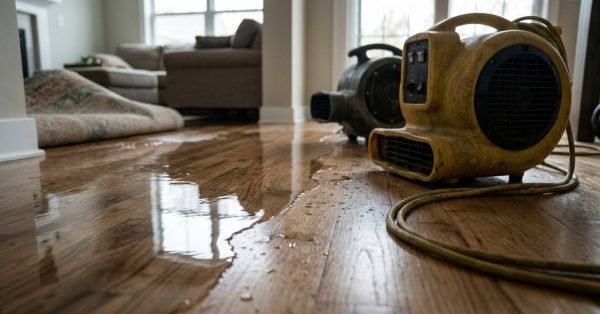
Step two is moisture detection and structural drying: Moisture meters check walls, floors, and cavities that look dry on the surface but hold water underneath. Industrial air movers and dehumidifiers run for several days to pull moisture out of framing, drywall, and flooring before any repair work begins.
Step three is cleaning and sanitization: Anything touched by contaminated water gets cleaned, disinfected, and deodorized. This step matters more in bathrooms and basements, where gray or black water contact is common, than it does in a clean-water kitchen leak.
Step four is damaged material removal: Drywall, insulation, flooring, and cabinetry that absorbed too much water get removed rather than dried, because saturated porous materials become mold risks even after drying. Mold prevention and remediation work typically happens alongside this step.
Step five is repair and reconstruction: New drywall goes up, flooring gets replaced, cabinets get reinstalled, and the space gets restored to its pre-damage condition. This final step is where residential and commercial jobs often diverge the most in scope and timeline.
Kitchen Water Damage Repair
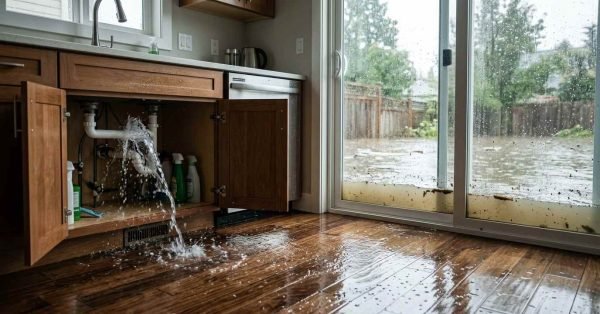
Kitchens combine plumbing, appliances, and cabinetry in one tight space, which means water damage there usually comes from a specific, identifiable source. A leaking dishwasher supply line, a cracked sink pipe, or a failed ice maker connection are the most common causes I see. The damage tends to concentrate under cabinets and flooring rather than spreading through the whole room.
Cabinet bases take the worst of it because they sit directly on the floor and trap moisture against particleboard or MDF construction. Once that material swells, it rarely returns to its original shape, and replacement becomes the only real fix. Subfloor under vinyl, tile, or laminate absorbs water from the edges inward, so damage often extends further than the visible wet spot suggests.
Appliances themselves need inspection before reuse. A dishwasher or refrigerator that sat in standing water can have compromised electrical components even after the visible water is gone. I always recommend a professional check before plugging anything back in.
Kitchen repair timelines run faster than basements in most cases, typically three to seven days for extraction through drying, because the affected area is usually smaller and materials are more accessible. Full cabinet and flooring replacement extends that timeline depending on custom cabinetry lead times.
Bathroom Water Damage Repair
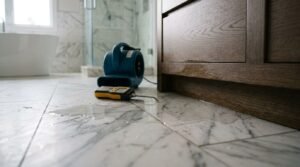
Bathrooms present a unique challenge because they’re built to handle water constantly, which means damage often comes from a failure point rather than obvious flooding. A failed wax ring under a toilet, a cracked shower pan, or a slow leak behind tile are the most common sources of bathroom water damage. These leaks frequently go unnoticed for weeks because the water stays hidden behind walls or under flooring.
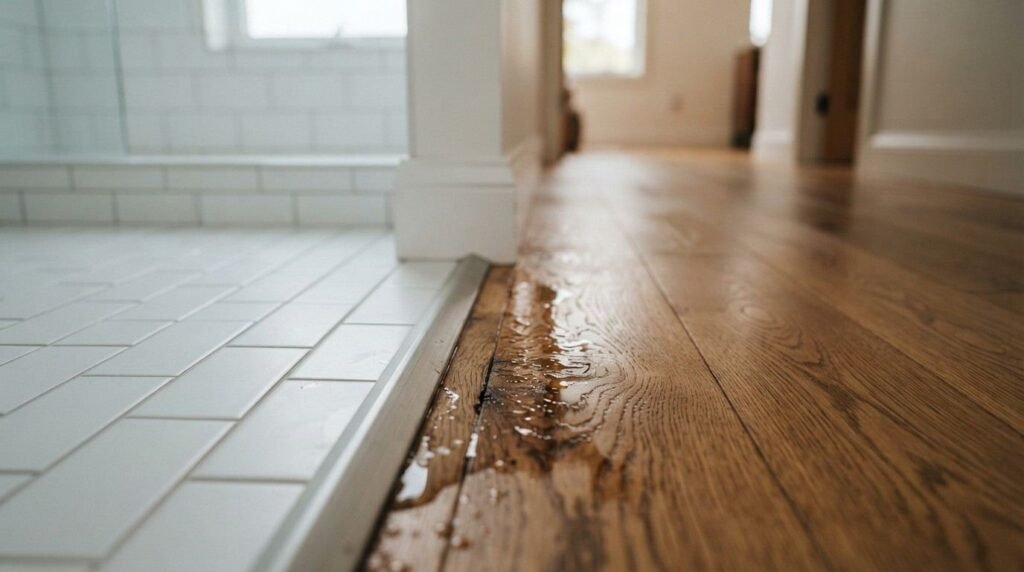
Grout and caulk failure is one of the earliest warning signs, since gaps let water reach subfloor and wall cavities that tile is supposed to protect. Once water gets behind tile, it can travel into adjacent rooms, particularly if a bathroom sits above a kitchen or basement ceiling. I’ve seen bathroom leaks show up as ceiling stains one floor down before anyone noticed a problem upstairs.
High humidity in bathrooms already pushes moisture into surrounding materials daily, so restoration work here often runs longer dehumidification cycles than other rooms. Drywall behind tile and subfloor under vanities both need thorough moisture checks, since surface-dry doesn’t mean cavity-dry in a bathroom.
Bathroom repairs typically take four to ten days depending on whether tile, subfloor, or vanity replacement is required. Bathroom mold remediation becomes a bigger factor here than in most other rooms because of the baseline humidity levels.
Basement Water Damage Repair
Basements face water damage from a wider range of sources than any other room, and the fixes differ substantially depending on the cause. Groundwater seepage, sump pump failure, sewer backup, and foundation cracks are the most frequent basement water damage triggers, and each demands a different repair approach.
Concrete floors and walls hold moisture differently than framed rooms upstairs. Concrete can absorb water for weeks without visibly showing it, which means moisture meters and thermal imaging matter more here than almost anywhere else in the house. A basement that looks dry after a few days of fans running can still hold dangerous moisture levels deep in the slab.
Framing, insulation, and any finished basement materials like drywall or carpet padding need aggressive removal when saturated, since these materials sit closest to the ground and highest humidity zone in the house. Unfinished basements fare better structurally but still need full drying before storage or finishing work resumes.
Sewage backup situations demand full sanitization protocols regardless of visible damage extent, because black water contamination poses health risks that clean water leaks don’t. Basement restoration timelines run longer than any other room, often seven to fourteen days, due to the combination of concrete drying time, potential foundation assessment, and typically larger affected square footage.
Water Damage Repair in Bedrooms, Living Rooms & Other Spaces

Living spaces outside the kitchen, bathroom, and basement usually experience water damage from external sources rather than internal plumbing failures. Roof leaks, window intrusion during storms, HVAC condensation lines, and water traveling down from an upstairs bathroom are the most common causes in bedrooms and living rooms.
Carpet and padding absorb water quickly and hold it against the subfloor, which accelerates mold growth if drying doesn’t start within the first 24 to 48 hours. Furniture and belongings in these rooms also need separate assessment, since upholstered items and wood furniture can wick moisture from wet carpet even after the floor itself dries.
Drywall and ceiling damage from above-floor leaks often shows as staining before any structural softness appears, so a stained ceiling is worth investigating immediately rather than waiting for visible sagging. HVAC-related water damage tends to be slow and recurring rather than sudden, which means the underlying condensation or drain line issue needs a fix alongside the water cleanup itself.
Repair timelines in these spaces vary widely based on cause, running anywhere from two days for a minor carpet-only situation to over a week when ceiling and structural repairs are involved.
How Flooring and Wall Materials Affect Repair
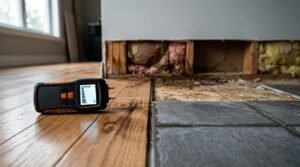
The materials in a room determine both how fast damage spreads and how the room gets restored. Hardwood, laminate, tile, carpet, drywall, and concrete each respond to water differently, and that response dictates whether a material gets dried in place or removed entirely.
Hardwood cups and warps quickly when wet, and while some solid hardwood can be dried and refinished if caught early, engineered wood and laminate almost always require full replacement once water gets underneath the surface layer. Tile itself resists water well, but the grout, subfloor, and adhesive beneath it don’t, so tile floors often stay intact while everything underneath gets replaced.
Carpet and padding are the most vulnerable flooring type, since padding acts like a sponge and rarely survives significant water exposure. Drywall wicks water upward from the base, which is why technicians often cut drywall in a horizontal line above the visible waterline rather than just patching the wet spot.
Concrete presents the opposite problem: it survives water exposure structurally but holds moisture the longest, which extends drying timelines in basements and slab-on-grade rooms well beyond what framed, drywall-finished spaces need.
Water Damage Repair Cost by Room
Repair costs shift significantly by room based on materials, square footage, and contamination level. Kitchen repairs typically run $1,500 to $5,500 depending on cabinet and appliance involvement, while bathroom repairs range from $1,000 to $4,000 based on tile and vanity replacement needs.
Basement restoration costs the widest range of any room, often between $2,000 and $10,000 or more, because of larger square footage, potential foundation work, and the higher likelihood of contaminated water involvement. Bedroom and living room repairs generally fall between $1,200 and $4,500 depending on flooring type and whether ceiling repair is needed.
The Insurance Information Institute notes that water damage and freezing claims remain among the most frequently filed homeowners insurance claims in the country, with average claim payouts often exceeding several thousand dollars per incident. That figure tracks with what I see across residential jobs, particularly once flooring and drywall replacement enter the picture.
Costs climb fast when mold remediation gets added to a project, since containment, air scrubbing, and material disposal all carry their own line items separate from the base water extraction and drying work. Getting an accurate restoration estimate early in the process helps avoid budget surprises once demolition reveals the full scope.
Residential vs Commercial Room Restoration Differences
Residential and commercial restoration share the same core process, but the scale, materials, and stakes differ substantially between the two. A commercial kitchen deals with industrial equipment, grease trap systems, and health code compliance that a residential kitchen never has to consider. A commercial basement or lower level often functions as storage, mechanical space, or tenant-occupied square footage rather than a finished living area.
Business disruption becomes a central factor in commercial jobs in a way it rarely is residentially. A restaurant kitchen out of service costs revenue every single day, which pushes commercial restoration toward faster, sometimes overnight, drying and repair schedules that residential jobs don’t typically require.
Documentation and compliance also carry more weight commercially. Facility managers often need detailed reports for insurance, liability, and regulatory purposes, while a homeowner mainly needs enough documentation to support a single insurance claim. Commercial water damage restoration projects also tend to involve larger equipment deployments given the square footage difference between a typical office floor and a residential room.
Multi-tenant properties add another layer of complexity, since water damage in one commercial unit can affect neighboring tenants, requiring coordinated communication that a single-family home never needs.
When to Call a Professional vs Handle It Yourself
Some water damage situations are manageable without professional help, but the margin for error shrinks fast once certain conditions are present. A small, clean-water spill caught within an hour, with no porous material saturation, is often fine to handle with towels, fans, and a wet vacuum.
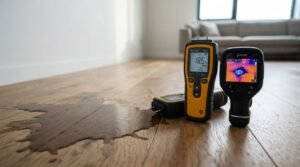
Anything involving standing water for more than a few hours, water from an unknown or contaminated source, or moisture that’s reached wall cavities or subfloor needs professional assessment. Moisture meters and thermal imaging catch what the eye can’t, and that hidden moisture is exactly what causes mold and structural problems weeks later.
Basements and bathrooms carry a lower threshold for calling a professional than other rooms, given the contamination risk and humidity levels already present in those spaces. I tell every property owner the same thing: if there’s any doubt about how far the water traveled, get it checked. The cost of an assessment is small compared to the cost of mold remediation or structural repair down the line.
We built our process around fast response and clear communication precisely because these decisions get made under stress, and property owners deserve straight answers about what their specific room and situation actually need.
Conclusion
Water damage repair changes room by room, shaped by the materials, moisture exposure, and contamination level unique to each space. Kitchens, bathrooms, basements, and living areas each demand their own approach to extraction, drying, and repair.
Understanding these differences helps property owners make faster, more confident decisions when water damage strikes. Acting early protects both the structure and the people living or working inside it.
We’re here to guide you through every stage of restoration with transparency and expertise. Reach out to Mr. Damage Rescue for a fast, professional assessment of your property today.
Frequently Asked Questions
How long does water damage repair take by room?
Kitchen and bathroom repairs typically take three to ten days, while basements often take seven to fourteen days. Timeline depends on square footage, material replacement needs, and contamination level.
Which room is most expensive to repair after water damage?
Basements are typically the most expensive room to repair due to larger square footage, potential foundation involvement, and higher contamination risk. Costs often range from $2,000 to $10,000 or more.
Can hardwood floors be saved after water damage?
Solid hardwood caught within the first day sometimes survives drying and refinishing. Engineered wood and laminate almost always require full replacement once water reaches the core layer.
Is bathroom water damage more likely to cause mold than other rooms?
Yes, bathrooms already run higher humidity levels than other rooms, which accelerates mold growth once additional water damage occurs. Faster drying response matters more here than in most other spaces.
Do I need a professional for a small kitchen leak?
A small, clean-water spill caught within an hour and fully dried usually doesn’t need a professional. Anything involving standing water for hours, cabinet saturation, or an unknown source needs assessment.
How is commercial room restoration different from residential?
Commercial restoration involves larger equipment, stricter documentation, and urgency tied to business disruption and revenue loss. Residential restoration focuses more on single-property timelines and insurance documentation.
What causes basement water damage most often?
Groundwater seepage, sump pump failure, sewer backup, and foundation cracks are the most common basement water damage causes. Each requires a different repair and prevention approach.
Does insurance typically cover water damage repair by room?
Coverage depends on the water source and policy terms, with sudden and accidental damage typically covered more readily than gradual leaks. The Insurance Information Institute notes water damage remains among the most common homeowners insurance claims filed nationally.