Most homeowners insurance policies cover sudden and accidental water damage, but they exclude damage from long-term leaks or poor maintenance. That distinction decides whether your claim gets approved or denied, and most property owners don’t learn it until they’re already filing.
I’ve watched this process play out from both sides: the property owner scrambling for answers and the paperwork piling up while water keeps spreading. A denied claim on top of a flooded property turns a bad week into a financial setback.
I cover what your policy actually covers, how to document damage the right way, and how to file a claim step by step. I also walk through why claims get denied, how residential and commercial claims differ, and what to do when an insurer underpays.
Does Homeowners or Commercial Insurance Cover Water Damage?
Insurance coverage for water damage depends entirely on how the water got there. Sudden and accidental water damage is a category insurers use to describe events that happen quickly and without warning, like a burst pipe or a failed appliance hose. Standard policies generally cover this type of loss.
Gradual damage tells a different story. A slow leak behind a wall that goes unnoticed for months reads as a maintenance failure to an insurer, not an emergency. That distinction is the single biggest factor in whether a claim gets paid.
Sudden and Accidental Water Damage vs. Gradual Damage
I see this misunderstanding constantly. A pipe bursts and floods a kitchen; that’s sudden and covered. Water seeping through a foundation crack for a year – that’s gradual and typically denied.
Insurers send an adjuster to determine which category your damage falls into. Moisture patterns, mold growth, and material degradation all signal how long water has been present. This is exactly why fast professional assessment matters so much for your claim.
What Standard Policies Typically Cover
Most standard homeowners and commercial property policies cover water damage from burst pipes, appliance failures, HVAC malfunctions, and storm-related roof leaks. They also typically cover the resulting structural repairs, drying costs, and personal property replacement tied to a covered event.
Coverage limits and deductibles vary by policy, so I always tell people to read their declarations page closely. That single page tells you your coverage limits, deductible amount, and any special water damage sublimits your insurer applies.
Common Exclusions Homeowners Overlook
Flood damage from rising water, like a river overflow or storm surge, is excluded from standard homeowners policies. It requires separate flood insurance, which I cover in the next section. Sewer backups are also commonly excluded unless you’ve added a specific endorsement.
Neglect and lack of maintenance sit at the center of most exclusion disputes. An insurer that finds evidence of a slow, ongoing leak will point to your maintenance responsibility as a property owner.
Types of Water Damage Insurance Policies and Endorsements

Not every water event falls under a single “water damage” line item. Policies split coverage across several categories, and property owners often assume broader protection than they actually have.
Homeowners (HO-3) vs. Commercial Property Policies
An HO-3 policy is the standard homeowners insurance form that covers a home’s structure on an open-perils basis and personal belongings on a named-perils basis. Water damage from sudden events typically falls under the open-perils structure coverage.
Commercial property policies work differently. They separate building coverage, business personal property, and business interruption into distinct line items, and each carries its own limits and conditions. A commercial property manager needs to understand all three, not just the building coverage.
Flood Insurance vs. Water Damage Coverage
Flood insurance and water damage coverage get confused constantly, and the confusion costs people real money. Flood coverage, sold separately through the National Flood Insurance Program, applies to water entering from outside the property, like storm surge or overflowing waterways.
Standard water damage coverage under a homeowners or commercial policy applies to water originating inside the structure, from plumbing, appliances, or HVAC systems. A property near a floodplain needs both policies to close the gap between them.
Sewer Backup and Sump Pump Failure Endorsements
Sewer backup and sump pump failure sit outside standard coverage almost everywhere. Insurers treat them as add-on endorsements with their own limits, often capped far lower than the main dwelling coverage.
I recommend every property owner in an older home or a home with a basement check for this endorsement specifically. A sump pump failure during a storm is common, and without the endorsement, that damage comes entirely out of pocket.
What to Do Immediately After Water Damage Occurs
The first hours after water damage happens set the tone for your entire claim. Insurers evaluate how quickly you acted, and a delayed response gets read as neglect, even when the initial event was sudden.
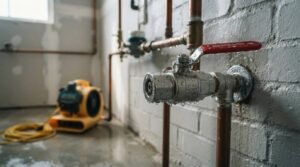
Stopping the Source and Preventing Further Damage
Shutting off the water source comes first, whether that means the main water valve or an appliance shutoff. Every hour water keeps flowing adds to both the physical damage and the eventual claim amount.
Move furniture and valuables out of standing water where it’s safe to do so. Insurers expect reasonable mitigation efforts, and most policies actually require it as a condition of coverage.
Contacting Your Insurer and Restoration Company
Call your insurance company and a restoration company at the same time, not one after the other. A restoration company is a licensed contractor that specializes in water extraction, structural drying, and property recovery following water damage events.
We coordinate directly with insurers on countless claims, and that early contact establishes a documented timeline your insurer can’t dispute later. Waiting days to call either party creates gaps that adjusters notice immediately.
Documenting Water Damage for a Strong Insurance Claim
Documentation makes or breaks a water damage claim more than any other single factor. I’ve seen well-covered losses get underpaid simply because the property owner didn’t capture the right evidence early enough.
Photo and Video Evidence Best Practices
Photograph everything before you move or discard anything, from wide room shots to close-ups of specific damage. Video walkthroughs work even better because they capture context and scale that still photos miss.
Timestamp your photos and keep the originals unedited on your phone or camera. I tell every property owner to shoot from multiple angles and include a visible reference point, like a doorway or piece of furniture, so scale is obvious.
Creating a Detailed Inventory of Damaged Property
A written inventory backs up your photo evidence with specifics: item description, approximate age, purchase price, and current condition. This inventory becomes the backbone of your personal property claim.
Group items by room and category to keep the list organized for your adjuster. Original receipts help, but even approximate values with a clear description carry weight when receipts aren’t available.
Saving Receipts, Estimates, and Restoration Records
Every receipt tied to your water damage event matters, from emergency plumbing repairs to hotel stays during displacement. Restoration companies provide detailed estimates and invoices that itemize extraction, drying, and repair costs.
These records do double duty. They support your reimbursement request, and they give your adjuster a professional third-party account of the damage scope and repair cost.
How to File a Water Damage Insurance Claim Step by Step

Filing the claim itself follows a fairly predictable sequence, though the details shift depending on your insurer and policy type. I walk clients through this same process regardless of whether it’s a residential or commercial loss.
Reporting the Claim to Your Insurance Company
Report the claim as soon as possible, ideally within 24 to 48 hours of discovering the damage. Most policies include a “prompt notice” requirement, and delayed reporting gives insurers grounds to question your claim.
Have your policy number, a summary of what happened, and your initial photos ready when you call. The claims representative opens a file and assigns a claim number you’ll reference throughout the process.
Working With the Claims Adjuster During Inspection
An adjuster schedules an inspection within days of your report, and this visit shapes the entire outcome of your claim. Walk them through every affected area and point out damage that might not be immediately visible, like moisture under flooring.
Bring your documentation to this meeting and reference it directly. Adjusters work faster and more accurately when a property owner has organized evidence ready to hand over.
Understanding the Insurance Adjuster’s Role in Your Claim
Adjusters represent the insurance company’s interests first, which surprises a lot of property owners who assume they’re a neutral party. Understanding their role helps you prepare a stronger case.
What Adjusters Look for During Inspection
Adjusters look for the source of water, the extent of the spread, and evidence pointing to sudden versus gradual damage. They measure moisture levels, inspect for prior water staining, and photograph the same areas you already documented.
They also compare your documentation against their own findings. Consistency between your evidence and their inspection speeds up claim approval significantly.
How Restoration Documentation Supports Adjuster Findings
Professional restoration documentation carries more weight with adjusters than homeowner photos alone. Detailed moisture maps, psychrometric readings, and a written scope of work give the adjuster technical data that supports a faster, more accurate settlement.
We build this documentation into every restoration job specifically because it protects our clients during the claims process. It removes guesswork from the adjuster’s evaluation and reduces disputes over damage scope.
Common Reasons Water Damage Claims Get Denied
Claim denials follow predictable patterns, and most of them trace back to either coverage gaps or documentation failures. Knowing these patterns in advance helps you avoid them.
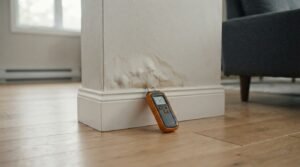
Pre-Existing Damage and Maintenance Issues
Insurers deny claims tied to pre-existing damage or a documented lack of maintenance more than almost any other reason. Evidence of old water staining, rot, or mold growth signals a longstanding issue rather than a new covered event.
Regular home maintenance, like checking supply lines and inspecting roofing, protects both your property and your ability to file a clean claim later. An insurer that finds neglect will use it to deny the entire claim, not just part of it.
Missing Documentation or Late Reporting
Claims with thin documentation or late reporting get denied or underpaid at a much higher rate. Without photos, receipts, and a clear timeline, the adjuster has nothing to verify your account of what happened.
Late reporting compounds the problem because it gives the insurer room to argue the damage worsened due to your delay. Reporting fast and documenting thoroughly closes both of these gaps at once.
Residential vs. Commercial Water Damage Claims Differences
Commercial claims carry complexity that residential claims simply don’t have. Property managers and business owners need to understand these differences before a loss happens, not during one.
Business Interruption and Loss of Income Coverage
Business interruption coverage is a commercial insurance provision that reimburses lost income and ongoing expenses when a covered event forces a business to close or reduce operations. Water damage that shuts down a storefront or office can trigger this coverage.
Documenting lost revenue requires financial records, not just property damage evidence. Commercial property owners should keep detailed profit and loss statements ready, since insurers calculate business interruption payouts against historical performance.
Multi-Unit and Tenant Liability Considerations
Multi-unit residential and commercial properties introduce a liability layer that single-family homes don’t face. Water damage affecting multiple tenants raises questions about who’s responsible for what: the landlord’s policy or each tenant’s individual coverage.
Lease agreements typically define this split, and property managers need to reference them directly when a claim touches shared or tenant-occupied spaces. Getting this wrong delays claims and creates disputes between tenants and ownership.
How Restoration Companies Support the Claims Process
A restoration company does more than dry out a property. The right partner actively strengthens your position with the insurer throughout the entire claims timeline.
Detailed Scope of Work and Moisture Readings
We document every stage of restoration with a detailed scope of work, moisture readings, and photos at each phase of drying. This creates a paper trail that shows exactly what was affected, what was done, and why it was necessary.
Adjusters rely on this scope of work to validate the claim amount. Vague or incomplete restoration documentation gives insurers an opening to dispute costs.
Direct Insurance Billing and Communication
Many restoration companies, including ours, bill insurers directly and communicate on your behalf throughout the claim. This takes pressure off property owners who are already dealing with displacement or business disruption.
Direct communication also speeds up approval. Restoration teams can answer technical questions immediately, rather than routing everything back through the property owner first.
What to Do If Your Water Damage Claim Is Denied or Underpaid

A denial or lowball settlement isn’t necessarily the final word. Property owners have real options to push back, and I’ve seen many denied claims get overturned with the right approach.
Requesting a Re-Inspection or Second Opinion
Request a re-inspection if you believe the adjuster missed damage or misjudged the cause. A second opinion from an independent restoration company or contractor can identify issues the original inspection overlooked.
Submit this request in writing and reference your original documentation directly. A clear, evidence-backed request carries far more weight than a general complaint about the settlement amount.
Filing an Appeal or Hiring a Public Adjuster
Every insurance policy includes an appeals process, and most states also allow you to request a formal review through the Department of Insurance. A public adjuster is a licensed professional who represents the policyholder, rather than the insurance company, during a claims dispute.
Hiring a public adjuster costs money, typically a percentage of the settlement, but it often pays for itself on larger or more contested claims. I recommend this route specifically when a commercial claim involves business interruption disputes or significant structural damage.
Conclusion
Water damage insurance claims hinge on fast action, thorough documentation, and understanding exactly what your policy covers. Sudden events get covered, neglect gets denied, and the difference lives in the paperwork you build from day one.
Residential and commercial claims follow different paths, but both reward property owners who document early and communicate clearly with their insurer.
We help clients navigate this entire process, from emergency response through final claim resolution. Reach out to Mr. Damage Rescue and let our team put its restoration and claims experience to work for your property.
Frequently Asked Questions
Does homeowners insurance cover water damage from a burst pipe?
Yes, homeowners insurance typically covers sudden water damage from a burst pipe. It’s classified as accidental and covered under most standard policies, unlike gradual leaks caused by neglect.
How long do I have to file a water damage insurance claim?
Most insurers require prompt notice, generally within a few days of discovering the damage. Check your policy’s specific timeframe, since waiting too long can jeopardize your claim.
Will my insurance rates go up after filing a water damage claim?
Rates often increase after a water damage claim, especially with multiple claims in a short period. The exact impact depends on your insurer, claim history, and state regulations.
What’s the difference between flood insurance and water damage coverage?
Flood insurance covers water entering from outside, like storm surge or overflow. Water damage coverage under a standard policy applies to water originating inside the home, such as burst pipes.
Can a restoration company help with my insurance claim?
Yes, restoration companies document damage, provide detailed estimates, and often communicate directly with insurers. This support strengthens your claim and speeds up the approval process.
What if my water damage claim gets denied?
Request a re-inspection, gather additional documentation, or hire a public adjuster to advocate on your behalf. Many denied claims get overturned with stronger evidence and a formal appeal.
Does commercial property insurance cover business interruption from water damage?
Many commercial policies include business interruption coverage as a separate provision. It reimburses lost income and ongoing expenses when water damage forces a business to close temporarily.
How much does a public adjuster cost for a water damage claim?
Public adjusters typically charge a percentage of the final settlement, often between 5 and 15 percent. The cost varies by state and the complexity of the claim.