Water damage repair costs range from $1,300 to $5,600 for most residential jobs, with severe cases climbing past $15,000 once structural materials and mold remediation get involved. The exact number depends on water category, how far the water traveled, and which materials got soaked before anyone caught it.
A burst pipe at 2 a.m. does not wait for a convenient moment, and neither does the damage spreading behind your walls. Every hour water sits untreated, drying costs go up, and mold risk climbs with it. That reality is why getting a realistic cost picture early changes how you handle the whole situation.
I walk through what drives pricing up or down, average costs by severity and source, how commercial jobs differ from residential ones, and what insurance actually covers. Then I get into how professionals build an estimate and what you can do to keep the final number as low as the situation allows.
What Determines Water Damage Repair Costs
Every estimate starts with three variables: water category, square footage affected, and which materials got wet. Change any one of those and the price moves substantially.
Water damage is property harm caused by unwanted water intrusion that affects structural materials, contents, or systems within a building. That definition sounds simple, but the cost behind it is not, because clean water from a supply line behaves completely differently than sewage backup.
Water Category and Contamination Level
Restoration professionals classify water into three categories, and the category alone can double or triple your repair bill. Category 1 is clean water from a supply line or rainwater. Category 2 is “gray water” containing some contaminants, like dishwasher or washing machine overflow. Category 3 is “black water,” meaning sewage, flooding, or water that sat long enough to grow bacteria.
I see Category 3 jobs run 2 to 3 times higher than Category 1 jobs of the same size, purely because of the sanitization, disposal, and protective equipment required. Contaminated water forces removal of porous materials that clean water might allow you to save.
Size and Scope of the Affected Area
Square footage drives labor and equipment costs directly. A 200-square-foot bathroom leak costs a fraction of what a flooded 1,500-square-foot basement costs, and the math is not linear either.
Larger areas need more air movers, more dehumidifiers, and more technician hours to monitor moisture levels daily. I also factor in vertical spread. Water traveling up walls or into a second floor multiplies the affected square footage fast.
Materials Damaged (Drywall, Flooring, Insulation)
Some materials dry in place. Others need to come out entirely. Drywall soaked more than an inch up usually gets cut out and replaced rather than dried, and insulation behind it almost always gets tossed since wet insulation loses its effectiveness and traps moisture against the wall cavity.
Hardwood flooring is its own cost category, because it can sometimes be saved with specialized drying mats and slow moisture extraction. Carpet and padding, on the other hand, usually get removed if water sat for more than 24 to 48 hours.
Average Water Damage Repair Cost by Severity
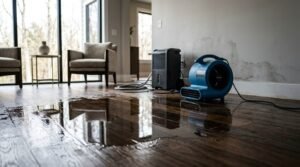
Severity level is the fastest way to ballpark your situation before a technician ever walks through the door. I break it into three tiers below.
Minor Water Damage Cost Range
Minor water damage typically runs $1,300 to $3,000. This covers small leaks, single-room incidents, and situations caught within a few hours where materials did not have time to fully saturate.
A minor bathroom leak with quick response usually needs extraction, a few days of drying equipment, and maybe a small drywall patch. Labor and equipment rental make up most of that cost, not materials.
Moderate Water Damage Cost Range
Moderate damage lands between $3,000 and $8,000. This tier usually involves multiple rooms, some material removal, and drying periods stretching four to seven days.
I see this range most often with appliance failures that went unnoticed overnight or slow pipe leaks inside a wall cavity. Flooring replacement, partial drywall removal, and mold prevention treatments typically enter the picture here.
Severe/Major Water Damage Cost Range
Severe cases run $8,000 to $15,000 or more, sometimes reaching well into the $20,000s for whole-floor flooding or extended sewage backup. This tier almost always includes structural repairs, extensive material removal, mold remediation, and multi-week drying and reconstruction timelines.
Major storm flooding or a supply line failure that ran for days before discovery both fall here. At this severity, reconstruction costs often exceed the mitigation costs that came before them.
Water Damage Repair Costs by Source
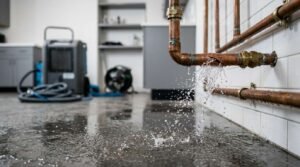
Where the water came from changes both the category classification and the physical path of damage. I break down the three most common sources below.
Burst Pipe Repair Costs
Burst pipe restoration averages $2,500 to $7,000, depending on whether the pipe is behind a wall, under a slab, or in an accessible location. Slab leaks push costs higher because reaching the pipe means cutting through flooring and sometimes concrete.
Fixing the pipe itself is usually the smaller line item. The higher cost is almost always the water damage it caused before anyone noticed the pressure drop or the water bill spike.
Appliance Leak Repair Costs
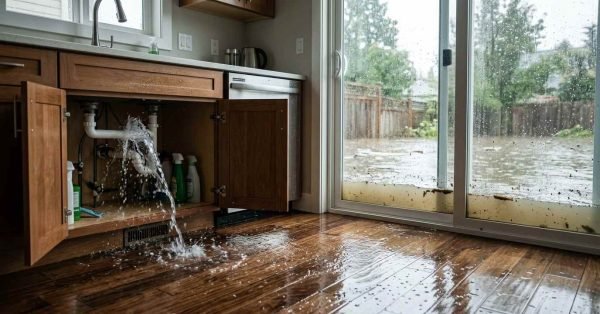
Washing machine, dishwasher, water heater, and refrigerator leaks average $1,500 to $5,000 in restoration costs. Water heaters tend to run higher because a full tank failure releases 40 to 80 gallons at once, often in a basement or utility closet where it spreads before detection.
Slow appliance leaks behind cabinetry are sneakier and often more expensive per square foot affected, since the water sits undetected for days or weeks and creates hidden mold growth.
Flood and Storm Damage Repair Costs
Storm and flood-related restoration runs $5,000 to $20,000+, and standard homeowners insurance frequently excludes flood damage entirely, which changes the entire cost conversation. FEMA notes that flood damage is specifically excluded from most standard homeowners policies and requires separate flood insurance coverage.
Groundwater and storm surge intrusion also tend to carry Category 3 contamination automatically, since flood water picks up soil, chemicals, and bacteria on its way into a structure.
Water Extraction and Drying Cost Breakdown
Extraction and drying make up the mitigation phase, and it is billed separately from repairs in almost every contract I have seen. Extraction alone runs $3 to $8 per square foot, covering pump-out, wet vacuum work, and initial moisture removal.
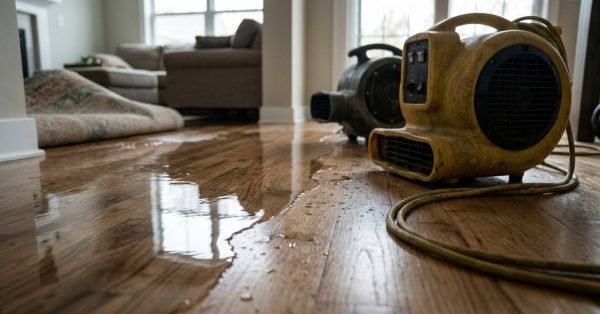
Structural drying adds $1.50 to $3 per square foot per day, and most jobs need three to five days of equipment running continuously. That daily rate covers air movers, dehumidifiers, and daily moisture-meter monitoring visits from a technician.
A 1,000-square-foot basement needing five days of drying lands somewhere around $3,000 to $5,000 for mitigation alone, before any reconstruction starts. Equipment count matters here too. Larger or more contaminated spaces need more units running simultaneously to hit safe moisture targets.
Mold Remediation and Prevention Cost Factors
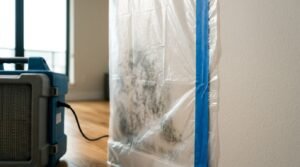
Mold prevention treatment during standard restoration adds $500 to $1,500 to a job. Active mold remediation, once colonies have already established, runs $1,500 to $6,000 depending on the square footage affected and whether it reached HVAC systems.
The CDC states that mold can begin growing within 24 to 48 hours on wet materials, which is exactly why fast response keeps this cost category from ballooning. Waiting even three extra days before extraction starts can push a job from prevention pricing into full remediation pricing.
Containment barriers, air scrubbers, and antimicrobial treatments are the biggest line items inside a mold remediation invoice. HVAC contamination adds high cost, since ductwork cleaning and testing get added to the scope.
Structural Repair Costs (Drywall, Flooring, Ceilings)
Once mitigation finishes, reconstruction begins, and this phase often costs more than extraction and drying combined on severe jobs. Drywall replacement runs $1.50 to $3 per square foot, including materials, texture matching, and paint.
Flooring replacement varies widely by material. Carpet and pad replacement averages $3 to $5 per square foot, while hardwood refinishing or replacement runs $8 to $15 per square foot. Ceiling repairs, especially after a second-floor leak, average $2 to $6 per square foot and climb higher when insulation and electrical fixtures are involved.
I always tell property owners to get the reconstruction estimate separately from the mitigation estimate. Combining them into one number early makes it hard to see where the money is actually going.
Residential vs. Commercial Restoration Cost Differences
Commercial water damage restoration costs run 30% to 60% higher than comparable residential jobs, and the reasons go beyond square footage. Commercial properties often involve specialized flooring, sensitive electronics, inventory loss, and compliance requirements that residential jobs simply do not have.
Business disruption is its own hidden cost category. A restaurant kitchen or a medical office facing extended closure loses revenue every single day restoration takes, which pushes many commercial clients toward accelerated drying schedules that cost more upfront but shorten the closure window.
Multi-tenant commercial buildings also add complexity, since water often crosses unit boundaries and requires coordination between multiple leaseholders, property managers, and sometimes multiple insurance carriers on one incident.
Insurance Coverage and Out-of-Pocket Cost Factors
Sudden and accidental water damage, like a burst pipe, is typically covered under standard homeowners and commercial property policies. Gradual leaks, poor maintenance, and flood-related water intrusion are the three most common exclusions I see trip people up.
Your deductible sets your real out-of-pocket floor regardless of total damage cost. A $1,000 deductible on a $6,000 claim means you pay $1,000 and the carrier covers the rest, assuming the cause of loss is covered.
Documentation matters enormously here. Photos, moisture readings, and a detailed scope of work from the restoration company all support a smoother claims process and reduce the odds of a denied or reduced payout.
How Restoration Professionals Estimate Costs
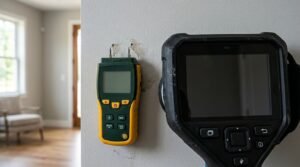
Professional estimators use moisture meters, thermal imaging cameras, and industry pricing software like Xactimate to build a line-item scope of work. Every wall, floor, and ceiling section gets measured and assigned a category before a single number gets written down.
The estimate typically separates into three sections: mitigation, remediation, and reconstruction. Each section gets priced independently, which is why a full restoration invoice often looks longer and more detailed than most property owners expect on the first read.
I always recommend getting the moisture map included with your estimate. It shows exactly where readings were taken and gives you a way to verify that pricing lines up with actual affected areas, not just guesswork.
How to Reduce Water Damage Repair Costs
Fast response is the single biggest cost lever you control. Calling a restoration company within the first few hours, rather than the first few days, routinely keeps a job in the moderate cost tier instead of pushing it into severe.
Shutting off the water source immediately and moving furniture or belongings off wet flooring both limit the spread before technicians even arrive. Turning on fans and running a dehumidifier you already own also helps, though it never replaces professional-grade equipment for anything beyond a small spill.
Working directly with your insurance adjuster and getting multiple restoration quotes both help control final cost too. A detailed, itemized estimate protects you from scope creep and gives you leverage to question line items that seem inflated.
Conclusion
Water damage repair costs swing from a few thousand dollars for minor incidents to tens of thousands for severe flooding and structural loss. Category, square footage, and response speed drive nearly every dollar on the final invoice.
Understanding these cost drivers before disaster strikes puts you in a stronger position when a contractor walks through your door. It also helps you spot a fair estimate versus one padded with unnecessary line items.
We built this guide so you can make confident decisions fast, because speed protects both your property and your budget. Reach out to Mr. Damage Rescue for a transparent, detailed estimate the moment water damage hits your property.
Frequently Asked Questions
How much does water damage repair cost on average?
Most residential water damage repair costs fall between $1,300 and $5,600, depending on severity and category. Severe cases with structural damage or mold remediation often exceed $15,000.
Does homeowners insurance cover water damage repair costs?
Sudden and accidental water damage, like a burst pipe, is typically covered under standard homeowners policies. Gradual leaks and flood-related water intrusion are common exclusions that require separate coverage.
What is the cheapest type of water damage to repair?
Minor Category 1 water damage caught within a few hours costs the least, usually landing between $1,300 and $3,000. Clean water and fast response keep material removal to a minimum.
Why does commercial water damage restoration cost more than residential?
Commercial restoration runs 30% to 60% higher due to specialized equipment, inventory loss, compliance requirements, and accelerated drying schedules meant to reduce business closure time.
How much does mold remediation add to a water damage repair cost?
Mold prevention during standard restoration adds $500 to $1,500. Active mold remediation after colonies establish runs $1,500 to $6,000, depending on square footage and HVAC involvement.
How is a water damage repair estimate calculated?
Professionals use moisture meters, thermal imaging, and pricing software to build a line-item scope covering mitigation, remediation, and reconstruction as three separately priced sections.
Can I reduce my water damage repair costs?
Fast response is the biggest cost lever available. Shutting off the water source, calling a restoration company within hours, and getting multiple itemized quotes all help keep costs controlled.
How long does water damage repair take, and does time affect cost?
Minor jobs finish in three to five days, while severe jobs stretch several weeks. Every extra day water sits untreated increases mold risk and often pushes a job into a higher cost tier.